



Bayezid Mosque in Didymoteicho
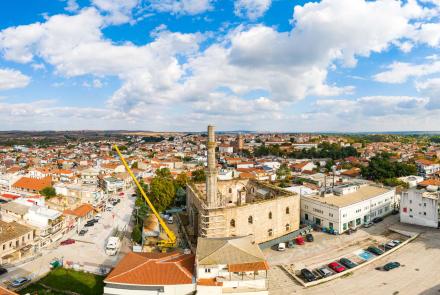
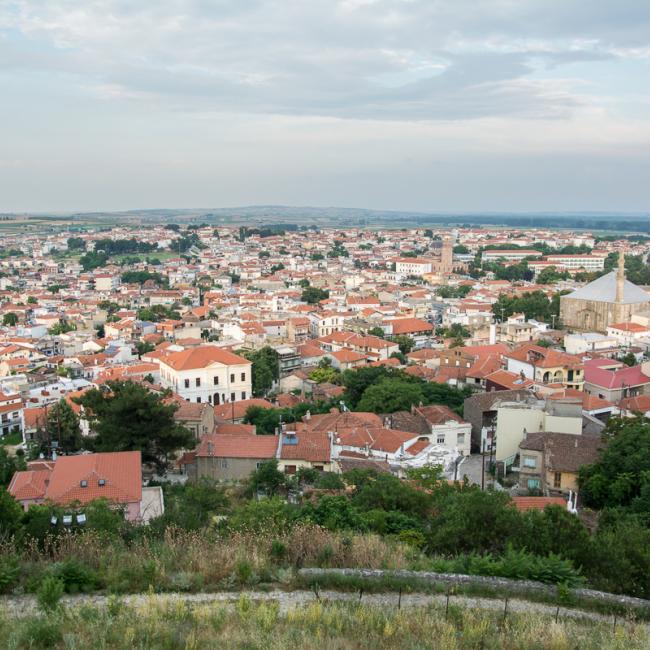
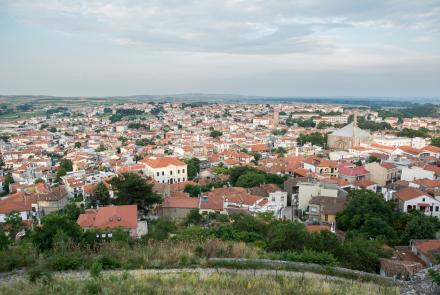
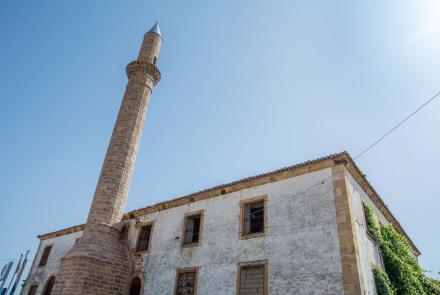
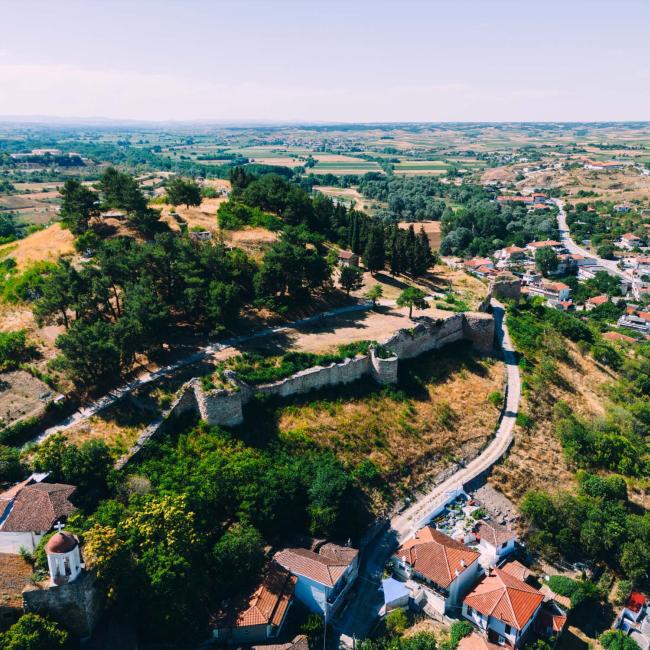
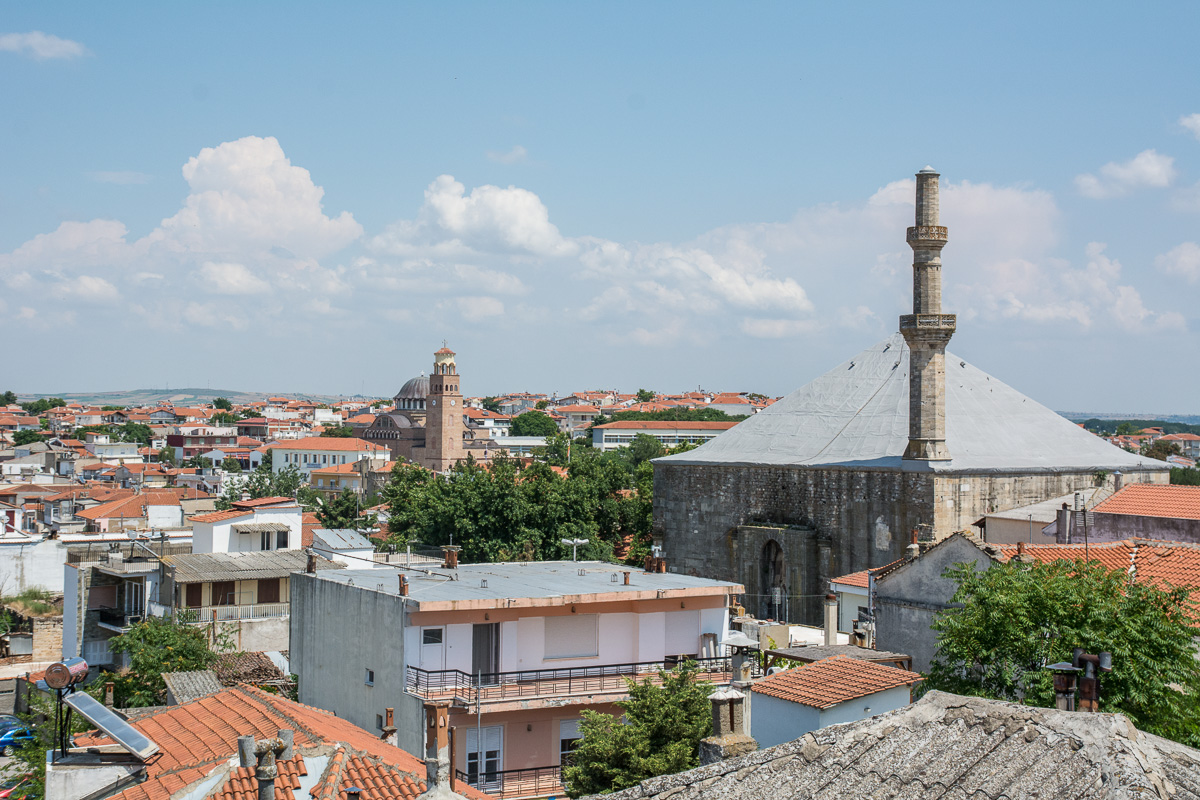
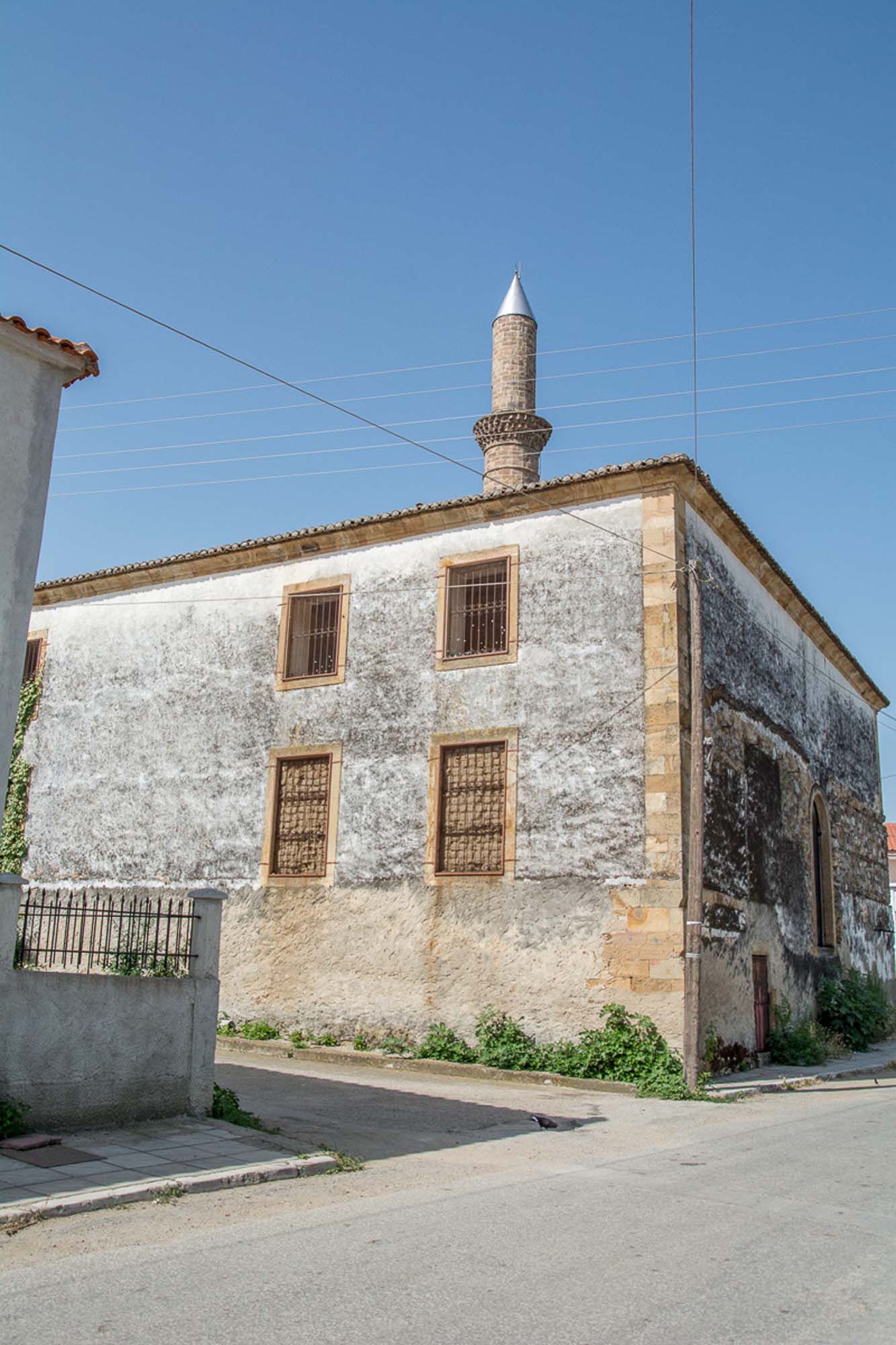
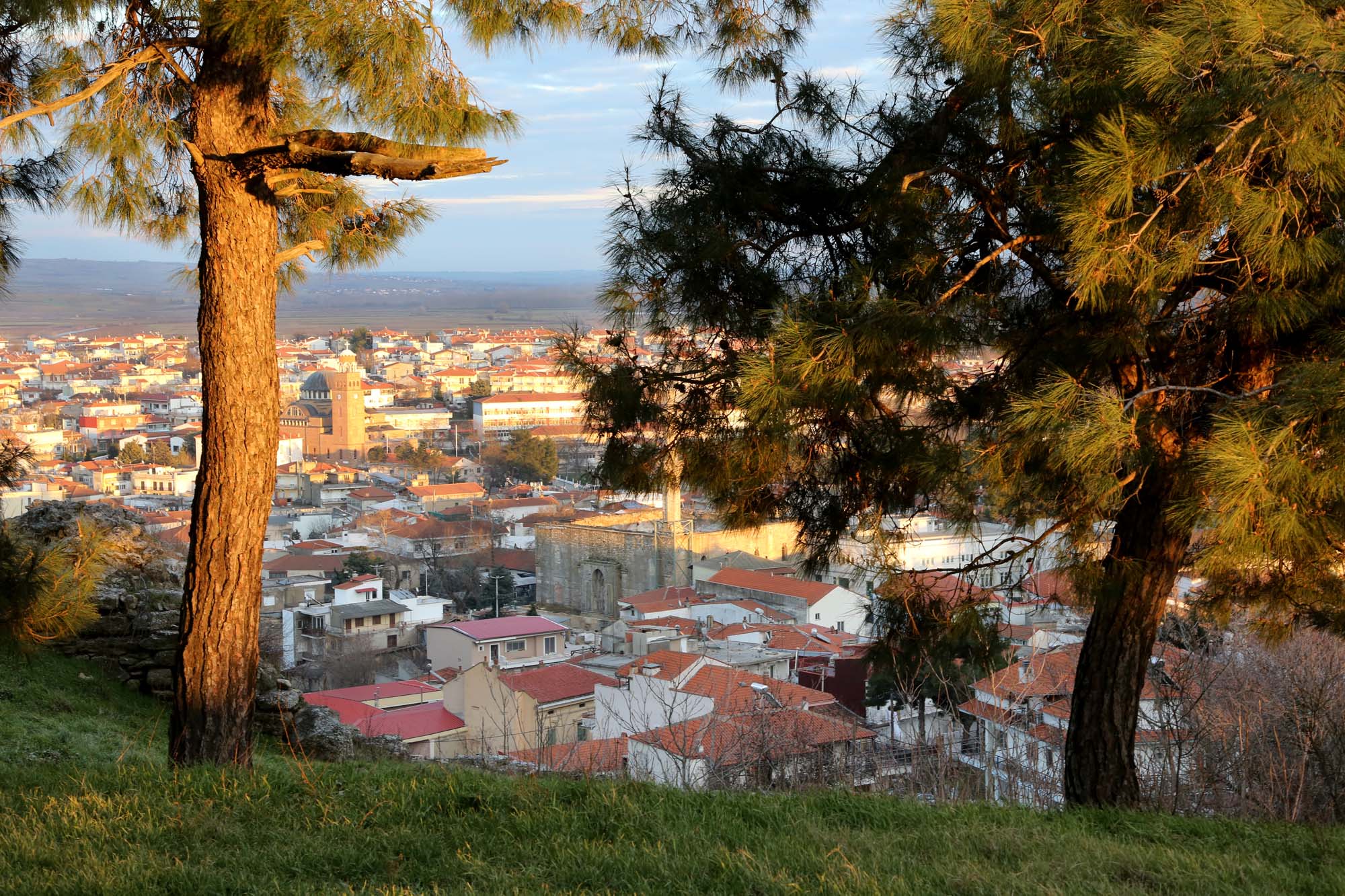
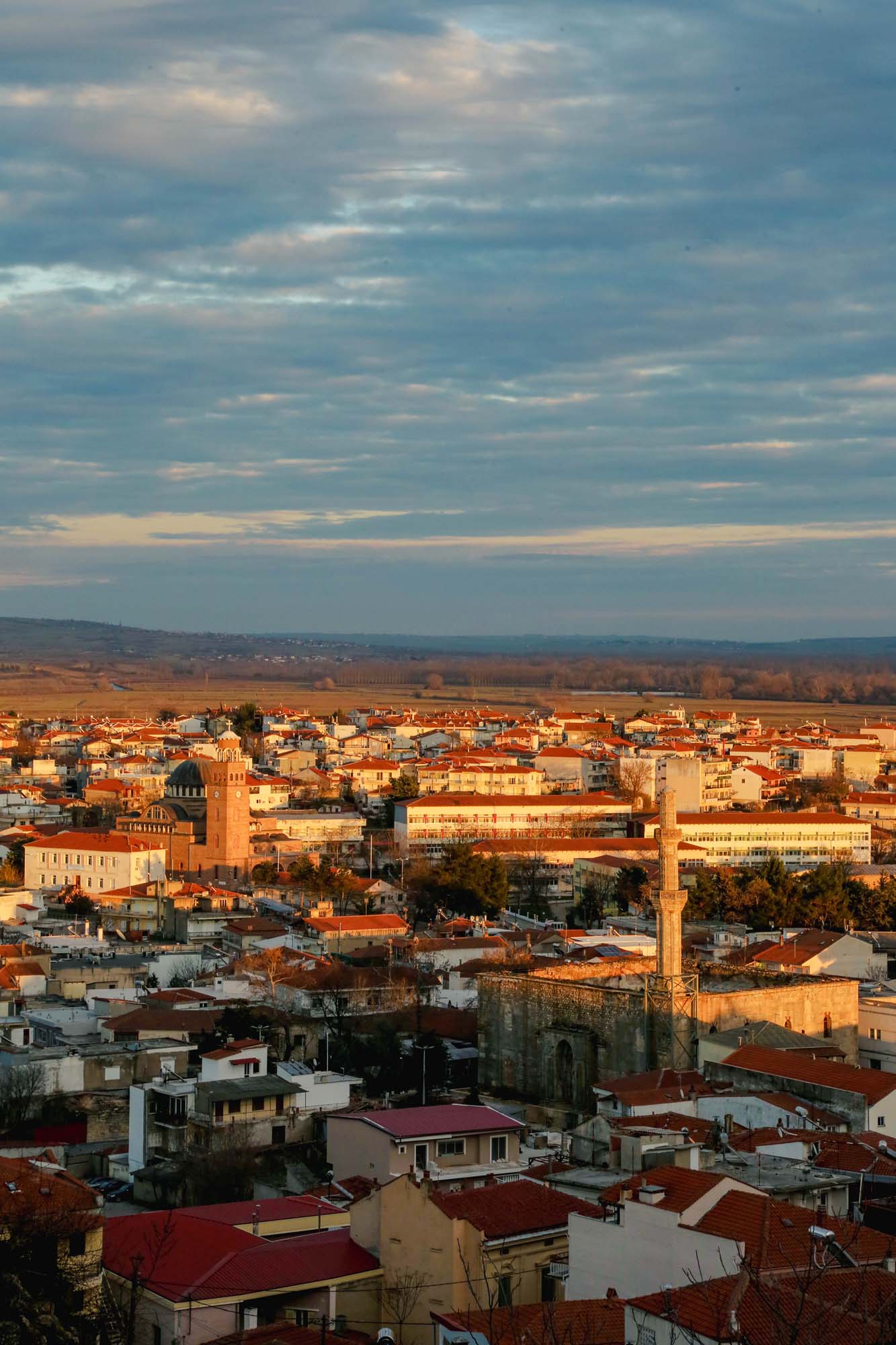
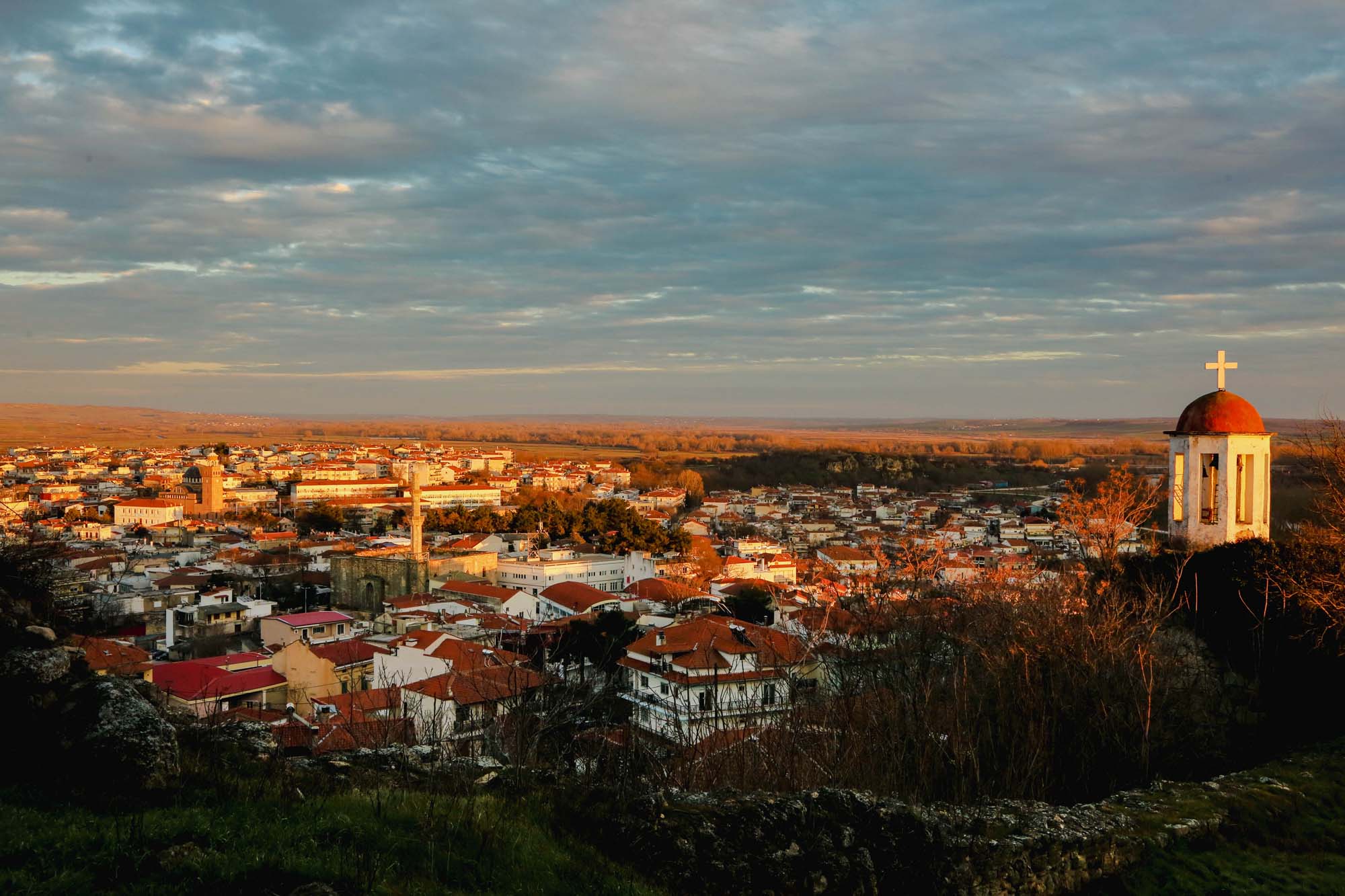
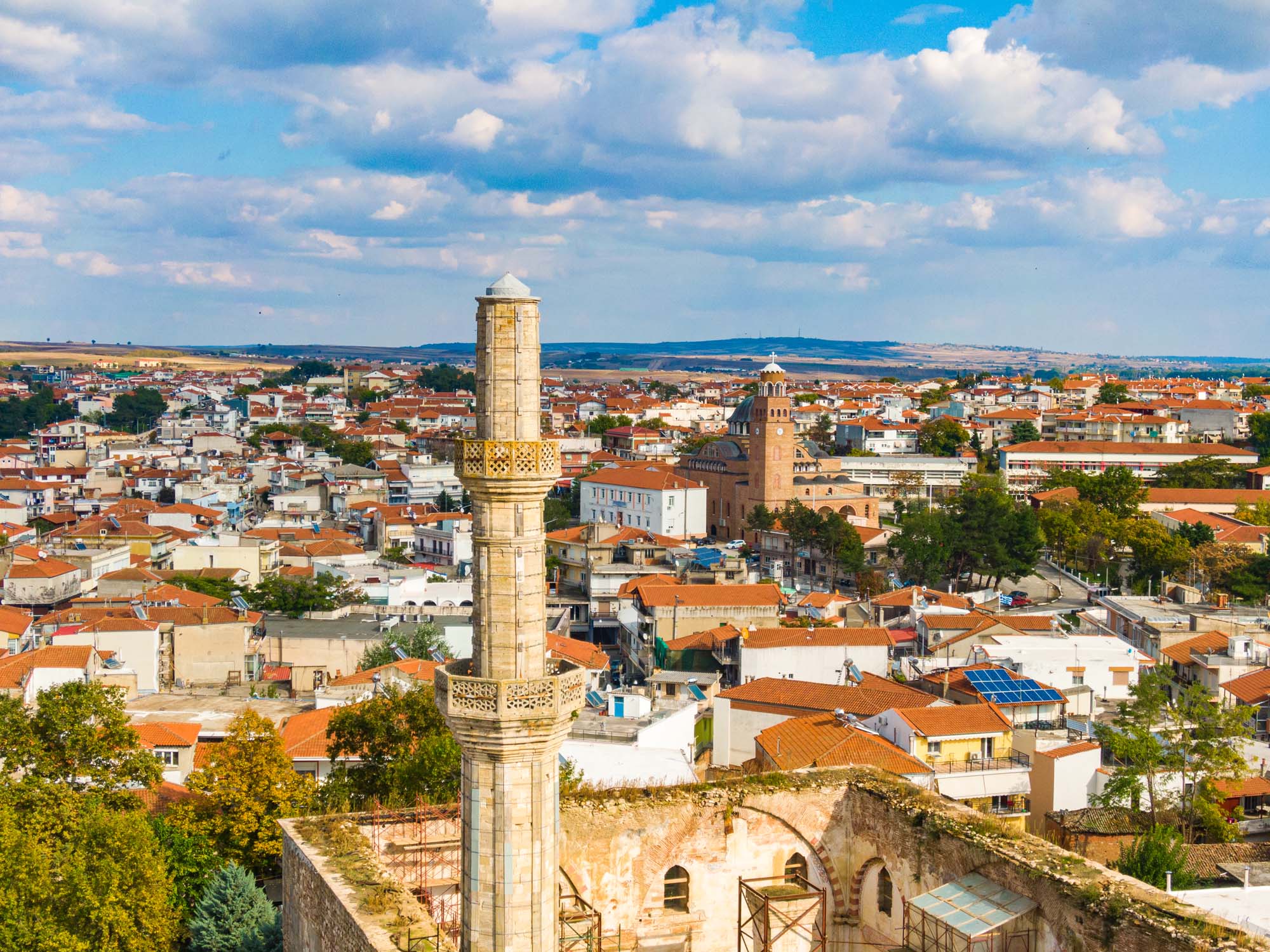
In the central square of Didymoteicho, at the base of the hill where the Byzantine city of Didymoteicho is located, stands the Bayezid Mosque, one of the most magnificent Ottoman mosques in Greece. Built along the road leading to the main gate of the castle, it became the focal point of the Ottoman settlement that developed outside the fortifications.
According to traditions dating back to the 16th century, as recorded by the Turkish traveller Evliya Çelebi, construction began under Sultan Bayezid I Yıldırım (the Thunderbolt) but was left unfinished due to the internal challenges caused by the Mongol invasions in Asia Minor. An inscription above the main entrance attributes the mosque’s construction to Sultan Mehmed I, son of Bayezid. The mosque was inaugurated in March 1420 AD. Another inscription, above the side entrance, reveals that the construction was overseen by the Kadi of Didymoteicho, Seyyid Ali, built by Dogan bin Abdullah, with Ivaz bin Bayezid as the architect. This confirms the mosque was constructed during the reign of Mehmed I (1413–1421), a timeframe supported by dendrochronology (1418).
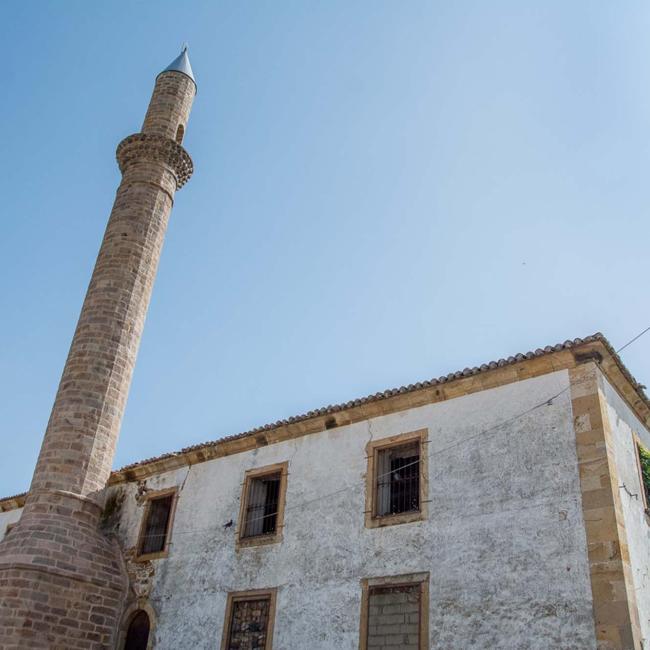
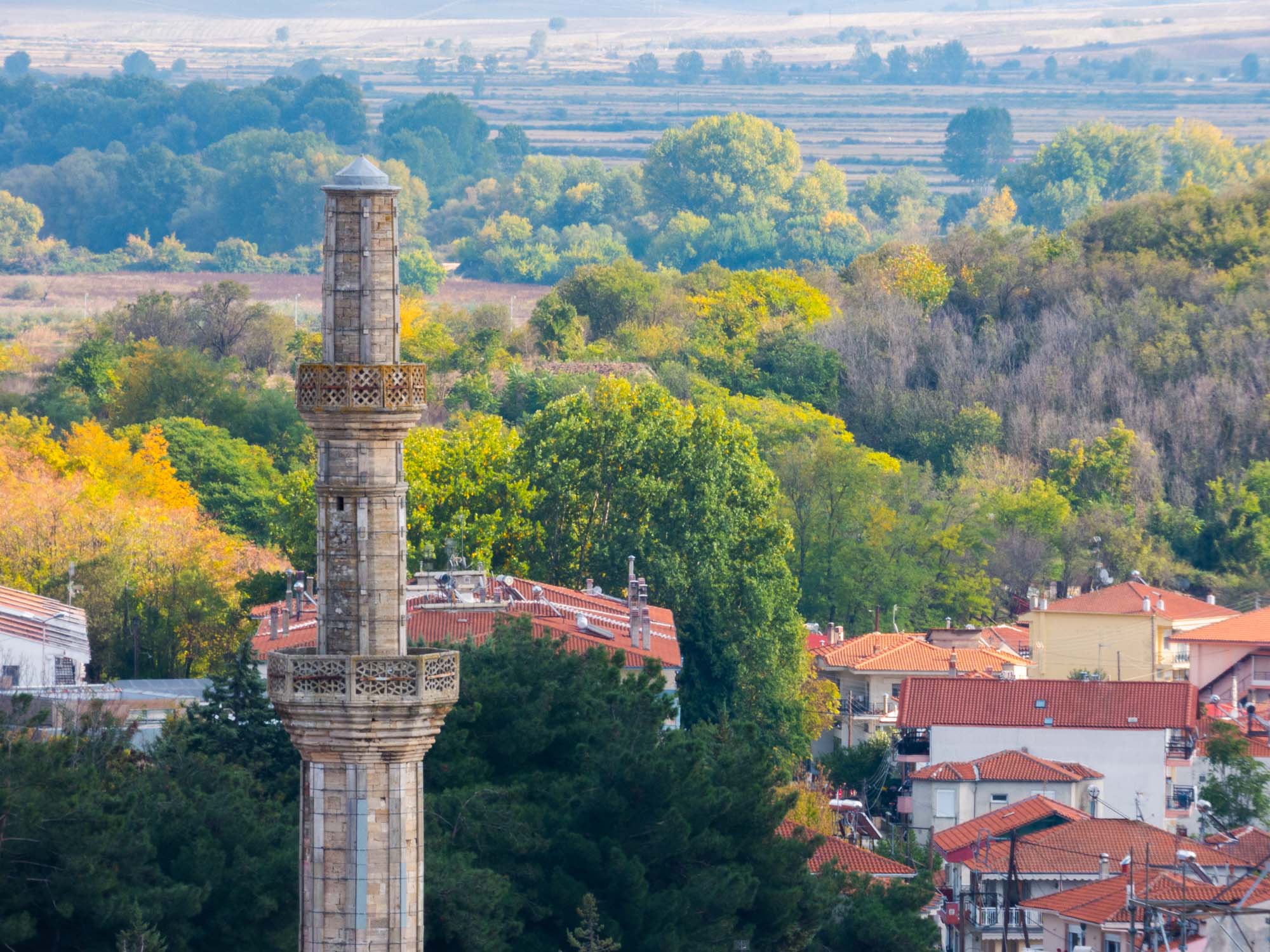
The mosque is a rectangular structure with perimeter walls approximately 2.5 meters thick. Inside, four massive piers define a central square surrounded by four elongated spaces. Two rows of windows—one at ground level and one higher up—illuminate the vast interior. The main entrance on the southern side is flanked by an impressive portal that breaks the otherwise solid and unbroken external facade. Side entrances are located on the eastern and western sides. In the south-eastern corner, integrated into the building’s footprint but with a separate external entrance, rises the elegant and towering minaret. Originally, the minaret had one balcony, but in 1913, when the Turks retook Didymoteicho, they rebuilt its damaged upper section and added a second balcony above the first.
The mosque’s construction uses poured concrete walls faced with finely cut porous stones laid in carefully aligned rows. The facade combines this technique with a looser masonry style. Today, the monument is covered by a pitched wooden roof, which replaced the original design. The floor plan and wall thicknesses suggest the mosque was intended to have a vaulted ceiling with two central domes along the entrance axis and two smaller domes on either side. The facade also has projections indicating plans for a portico covered by three smaller domes. However, following the abandonment of the original design—likely due to the Sultan’s death—a wooden construction was chosen, which impresses with its bold design and craftsmanship. Inside, the central area features a decorative dome made of small wooden panels, carefully joined and suspended from the wooden frame of the roof.
On the southern wall, above the mihrab (prayer niche), a depiction of the 'heavenly city' survives, characterized by its elegant buildings, meticulous detail, and vibrant colours. The other walls are adorned with calligraphic inscriptions, verses and maxims from the Quran, prayers, and invocations of sacred figures.