



Ancient Aesyme - Anaktoropolis
Aesyme
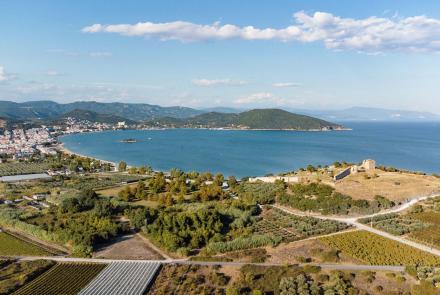
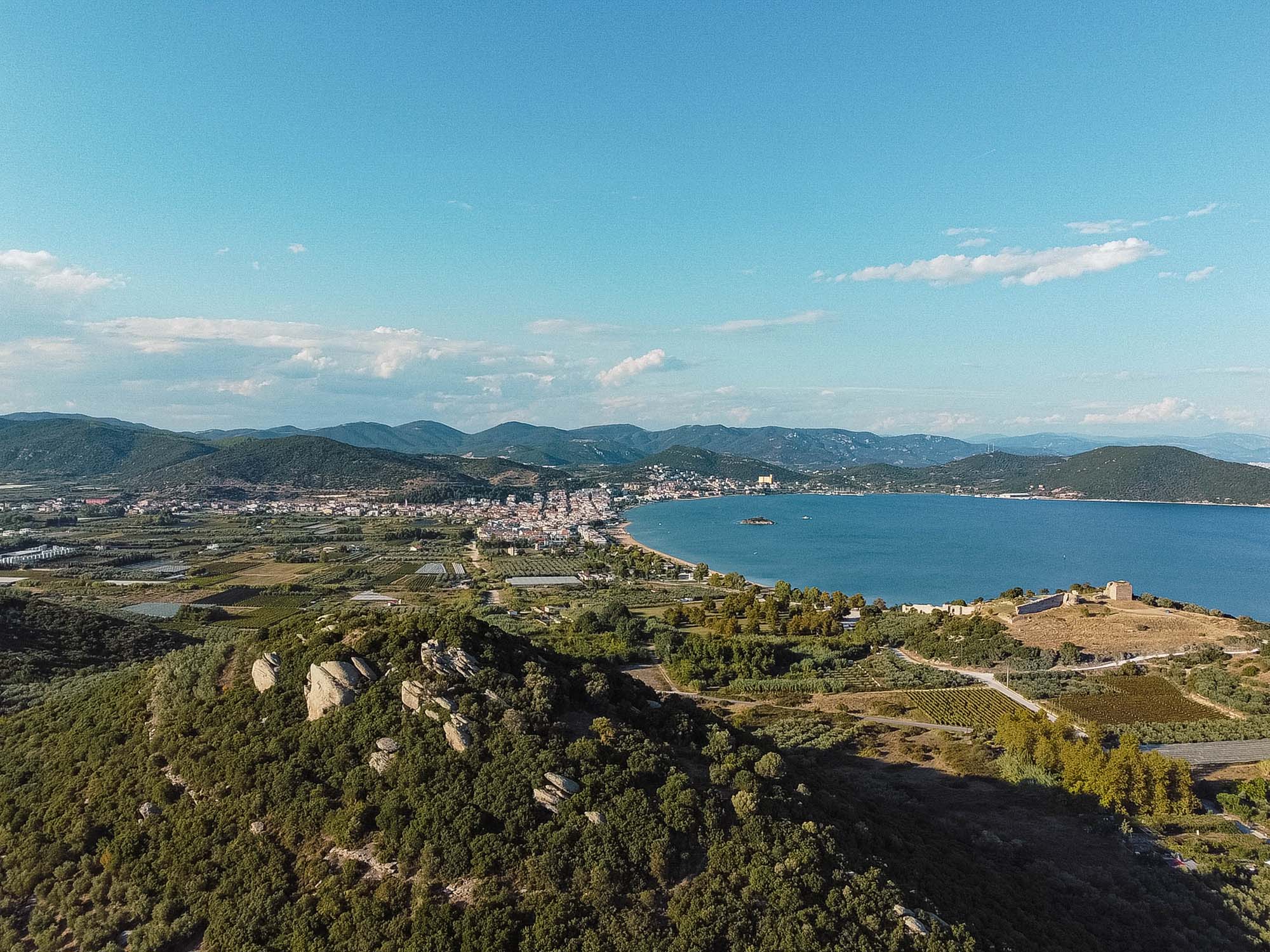
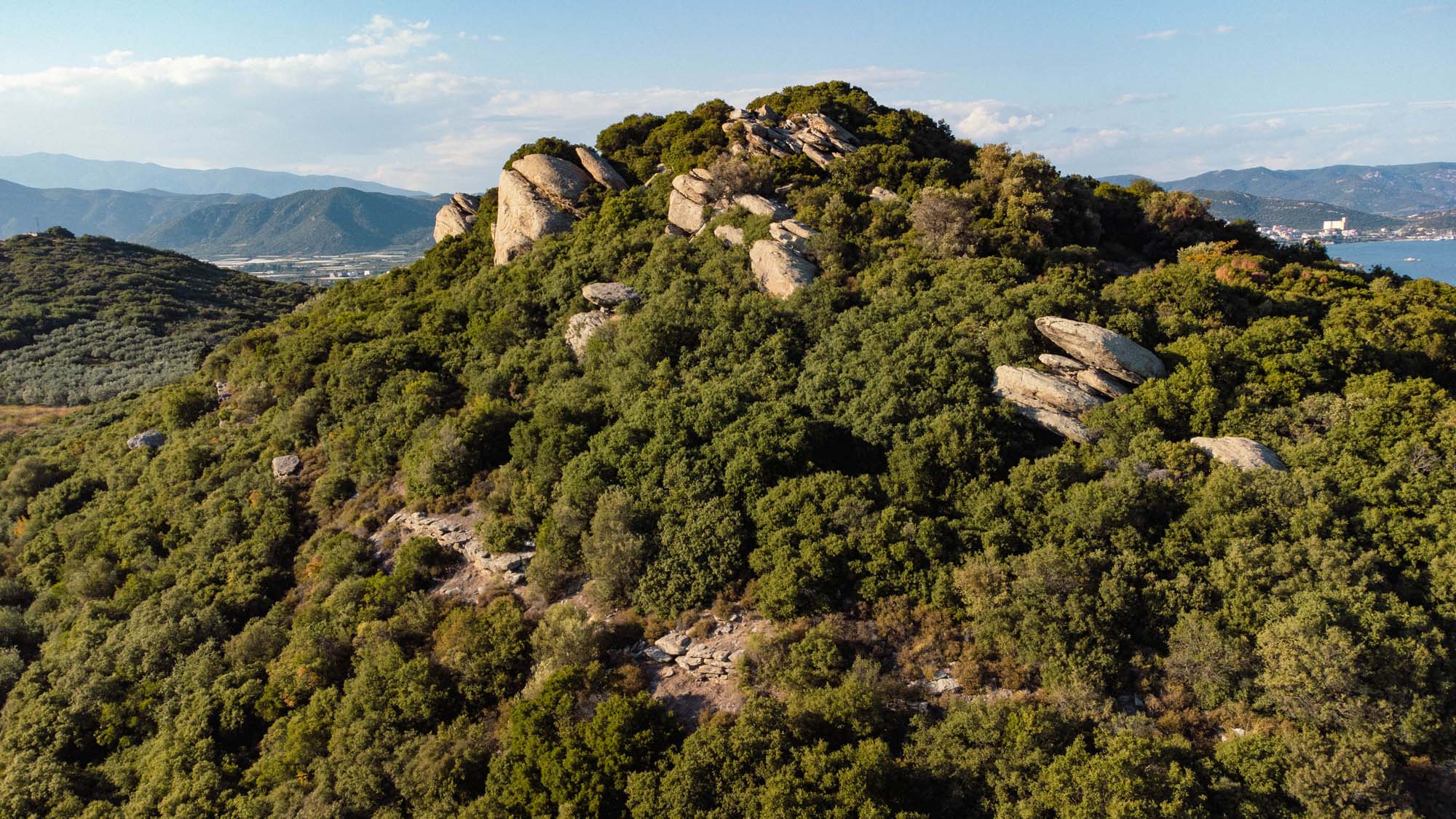
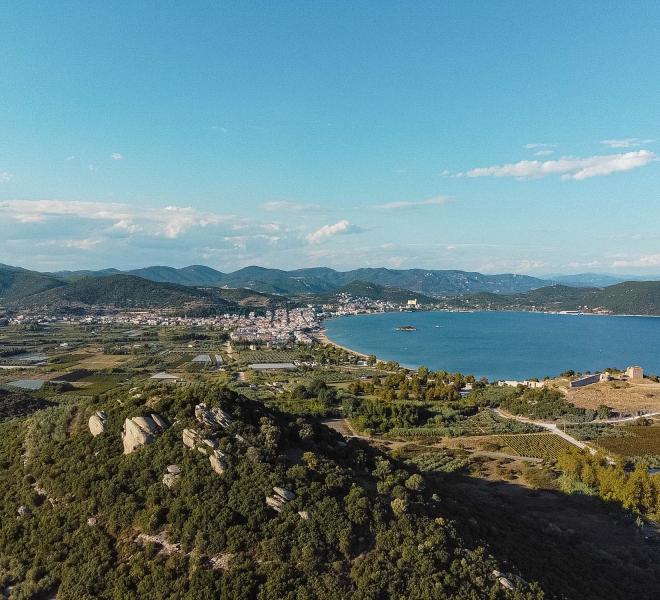
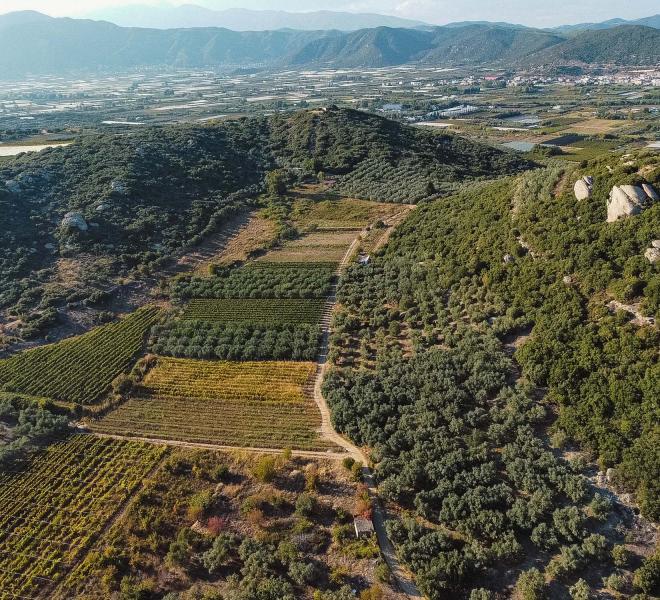
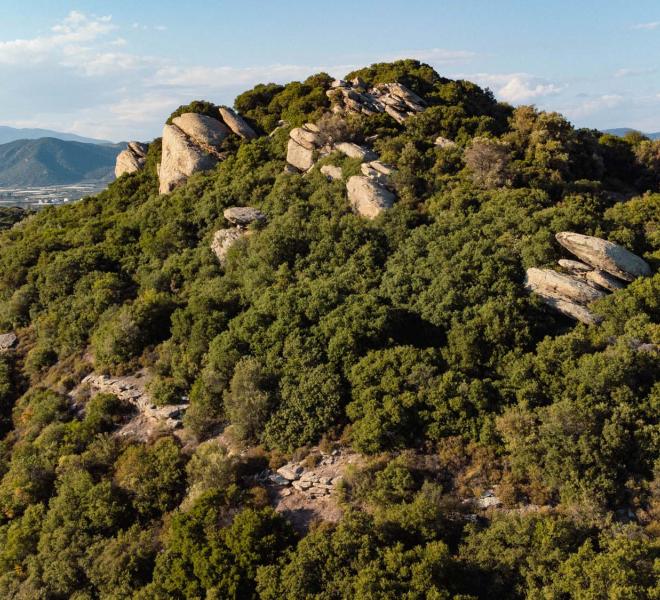
Located west of Kavala in the bay of Eleftheron, near the beautiful beach of Nea Peramos, the Thasian colony of Aesyme was founded in the late 7th century BC. The city flourished during the Archaic and Classical periods as an important commercial centre, taking advantage of its strategic location. The inhabitants were engaged in agriculture, fishing and trade, and the city became a cultural centre of its time. The Acropolis of Aesyme was the focal point of the city, built on a prominent hill offering a panoramic view of the Gulf. It served as a natural fortress, with walls of local granite. On its summit stood a temple, probably dedicated to the goddess Athena. This temple was destroyed in the early 5th century BC and replaced by another structure which stood until the 2nd century BC. Today, visitors can still see the remains of the city walls and the temple.
Anaktoropolis
During the Middle Ages, a new city called Anaktoropolis developed to the north-east of Aesyme. Strategically located at the mouth of the Strymon River, it became an important commercial centre linking the mainland with the sea and played a significant role in the development of the region. The walls of Anaktoropolis were built between 1167 and 1170 by the Byzantine fleet commander, Grand Duke Andronikos Kontostephanos, according to an inscription on the southern wall. The fortress served to protect the northern Aegean coast from pirates and raiders. Before the mid-14th century, Anaktoropolis was under the control of the pirate Alexios from Velikomi in Bithynia. It returned to Byzantine control in 1350. A few years later, Emperor John V granted Anaktoropolis, Christoupolis (at the mouth of the Strymon River), and Thassos to two brothers, Grand Primicerius Alexios and Protosevastos Ioannis, who subsequently expanded their rule from the Strymon estuary to Christoupolis (modern-day Kavala), thanks to their military successes against the Serbs. After Alexios' death, Ioannis remained the region's ruler. By the late 14th century, however, the area was conquered by the Turks and subsequently fell into decline.