



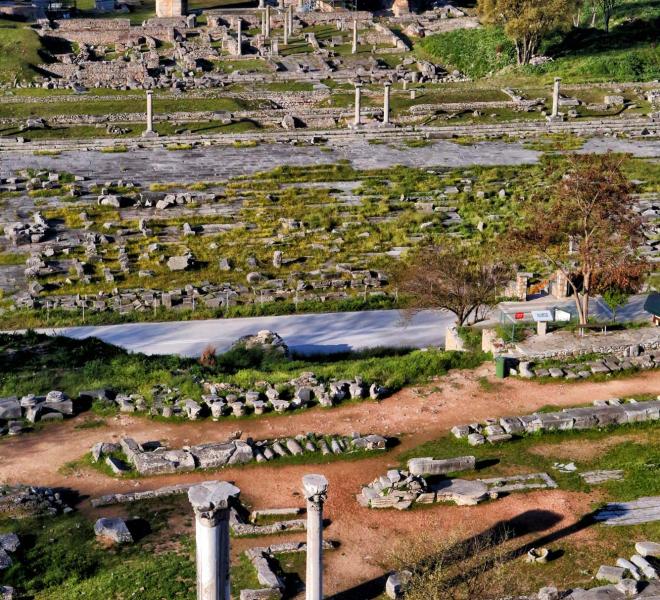
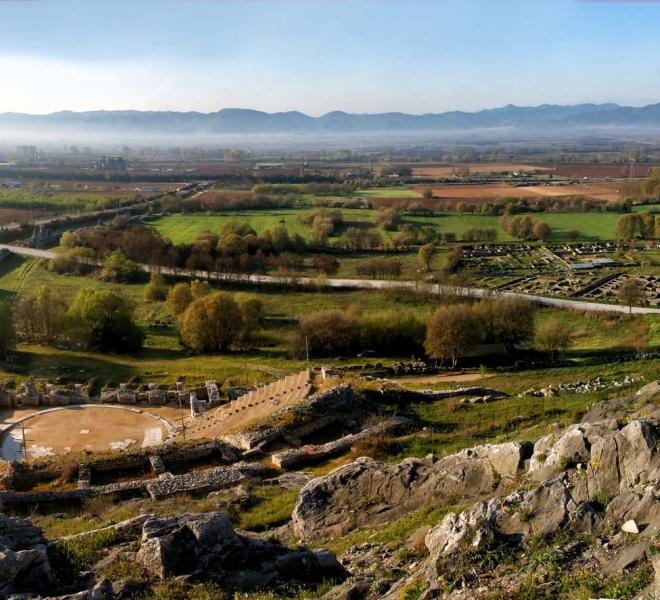
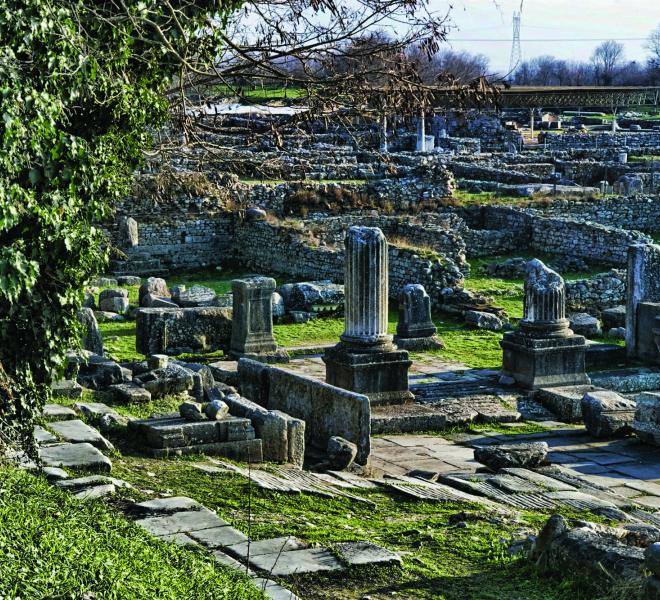
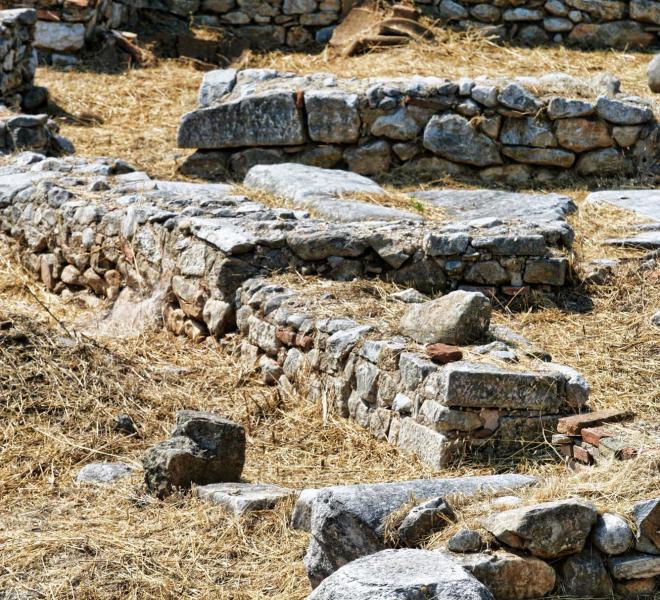
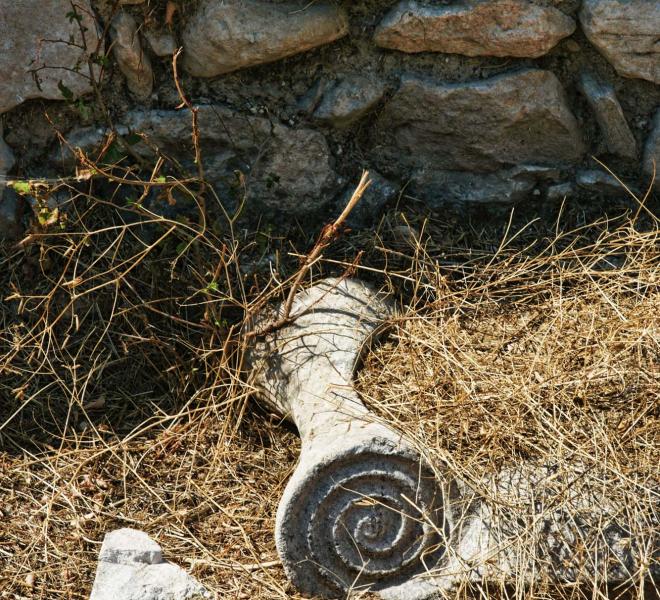
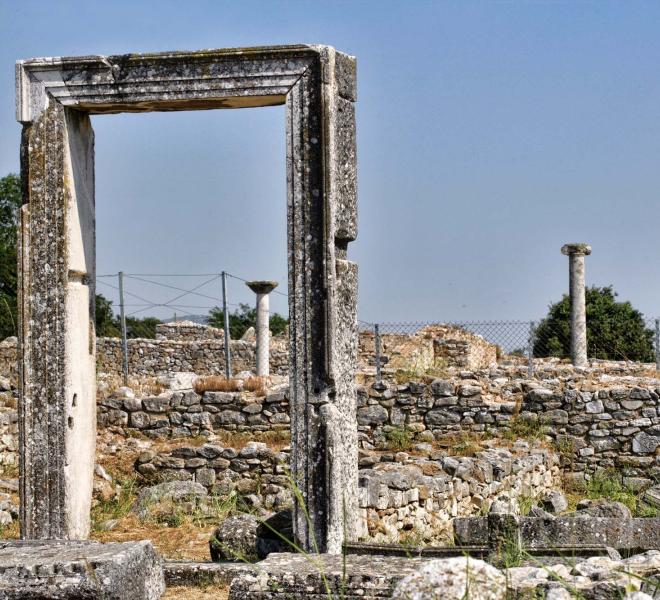
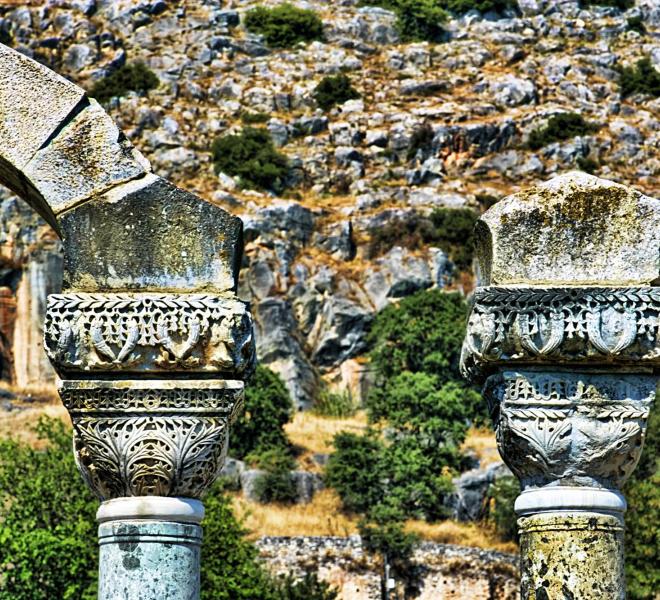
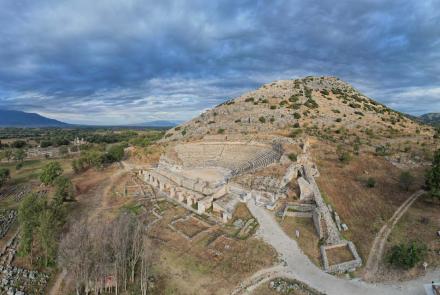
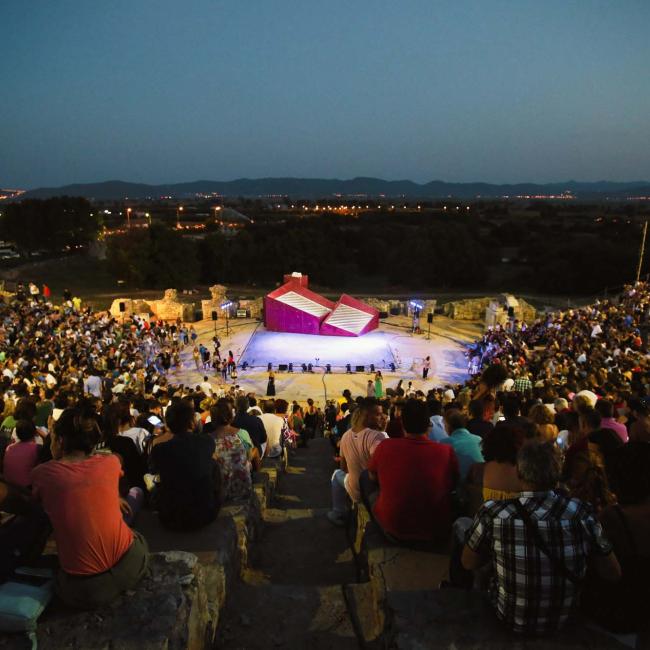
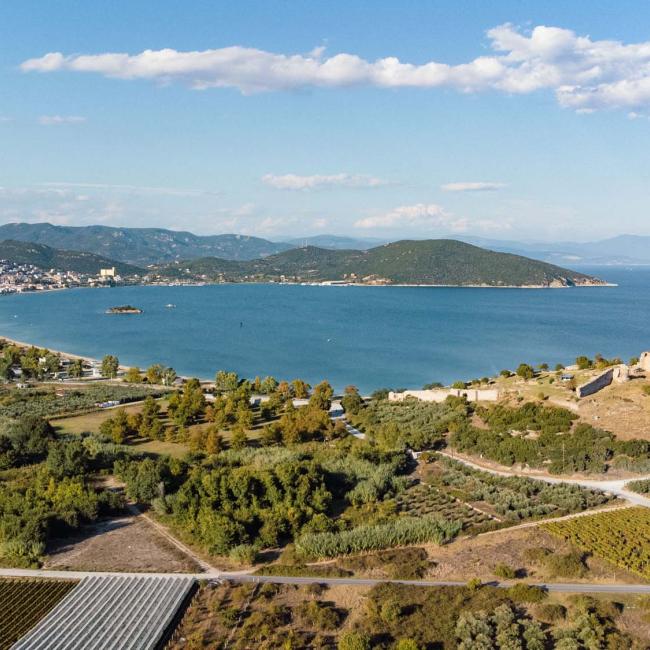
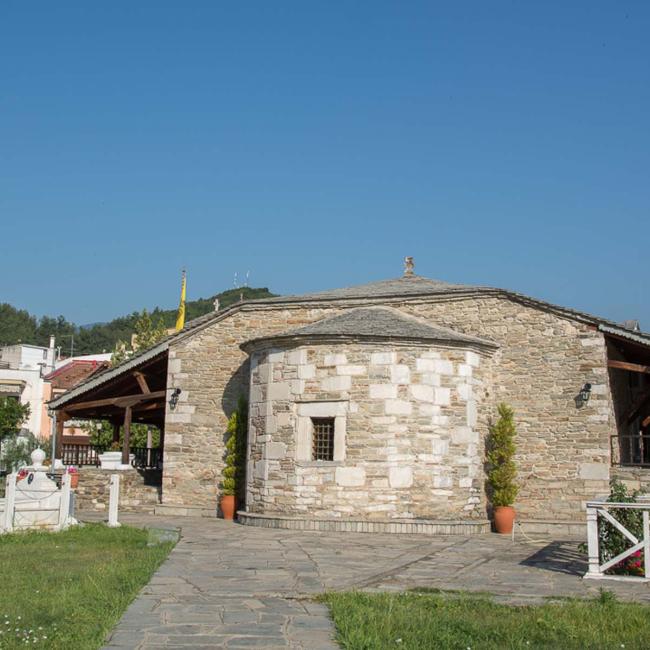
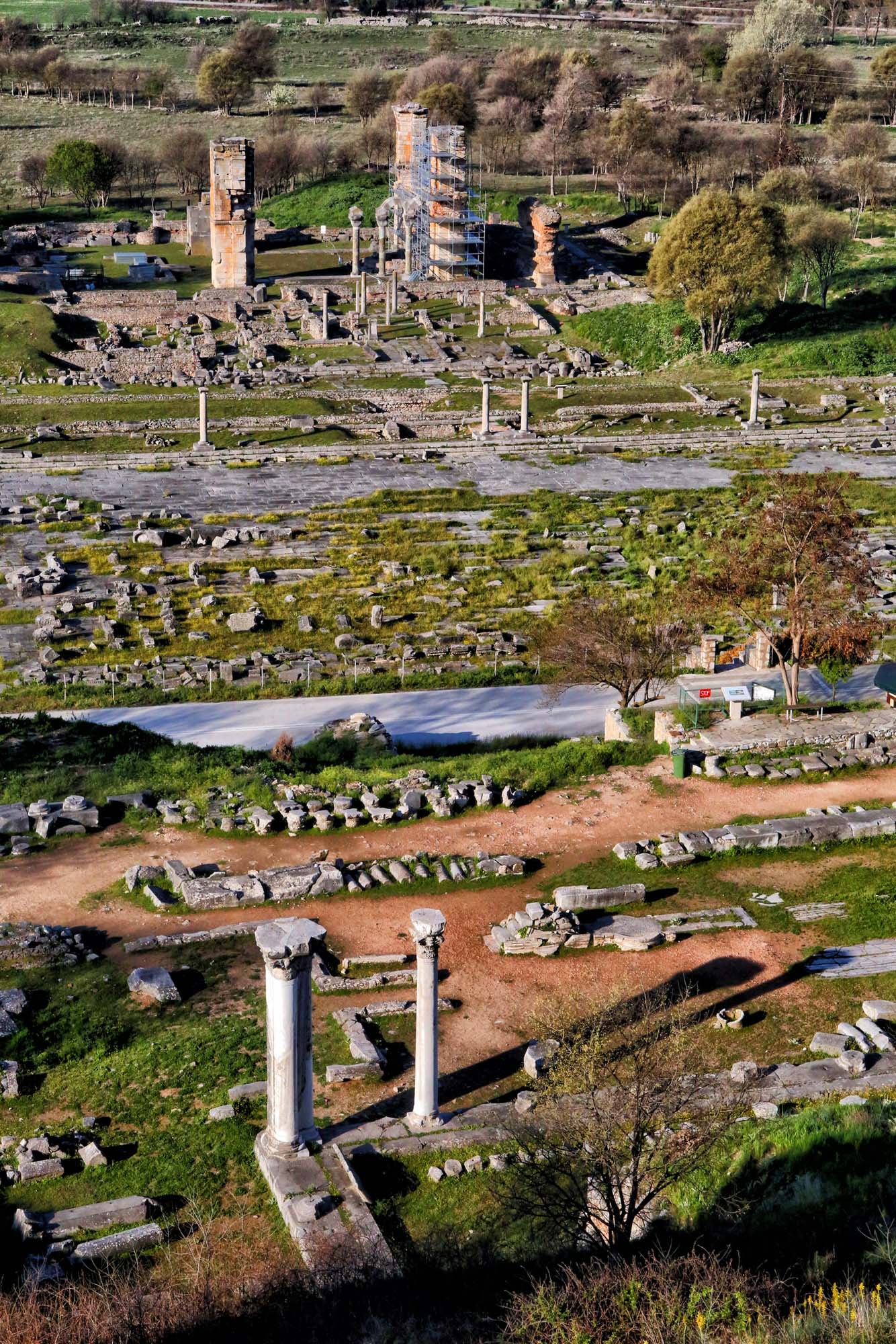
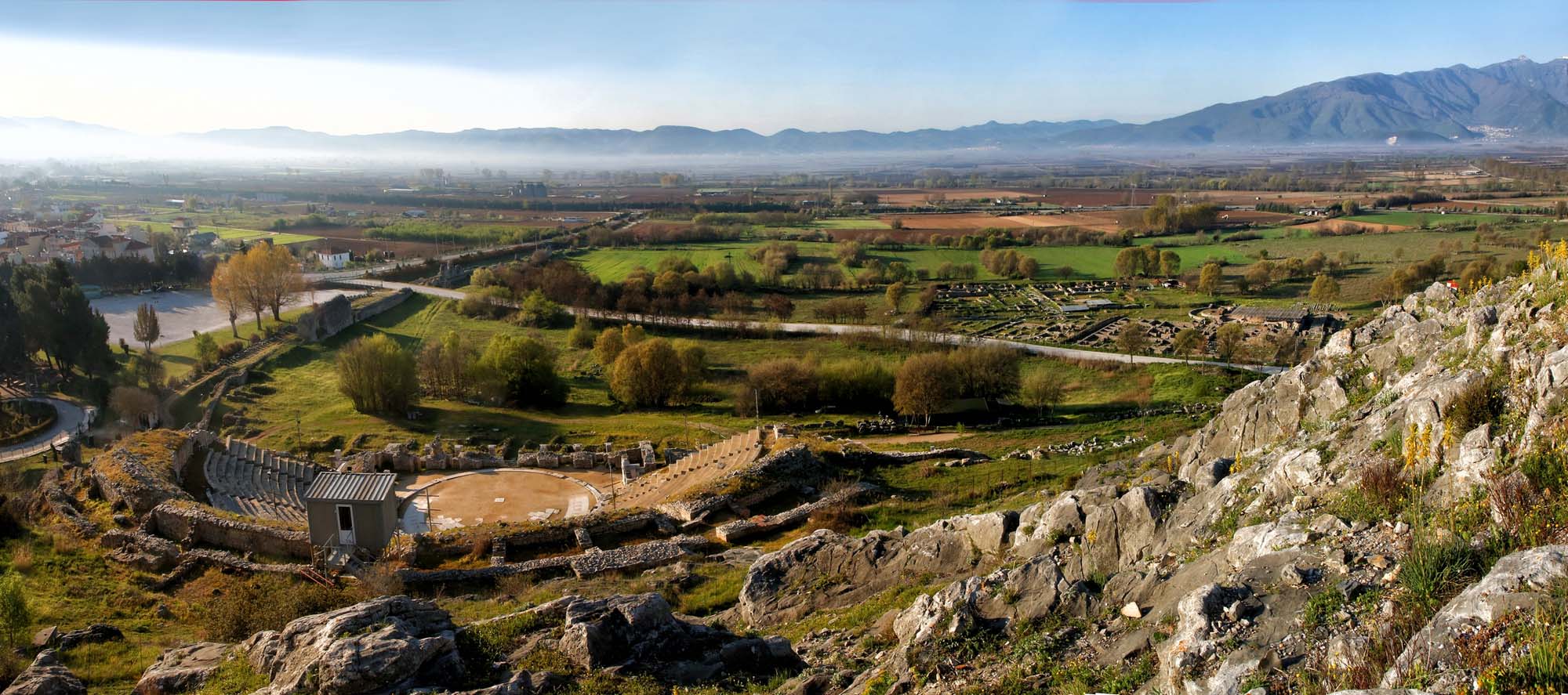
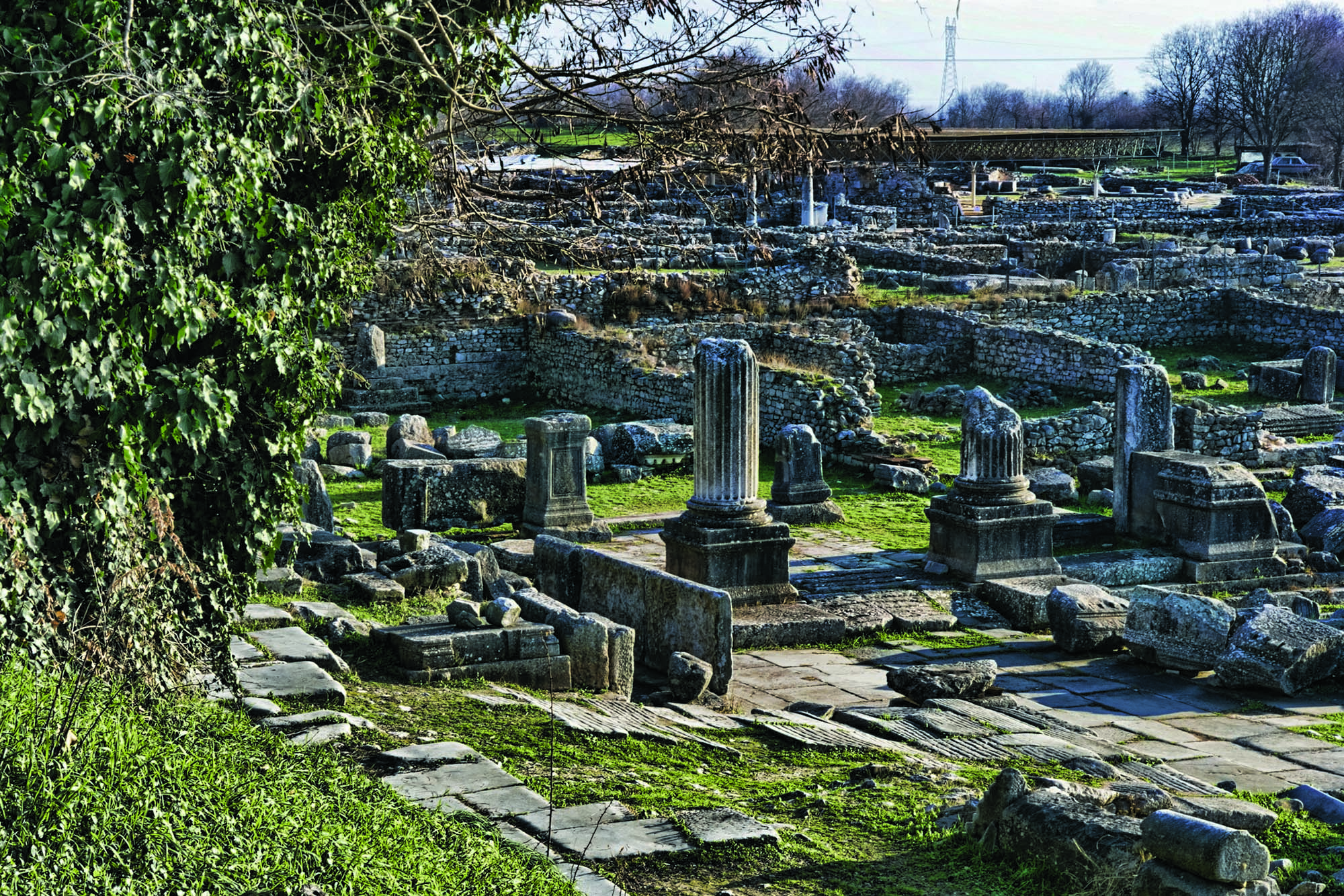
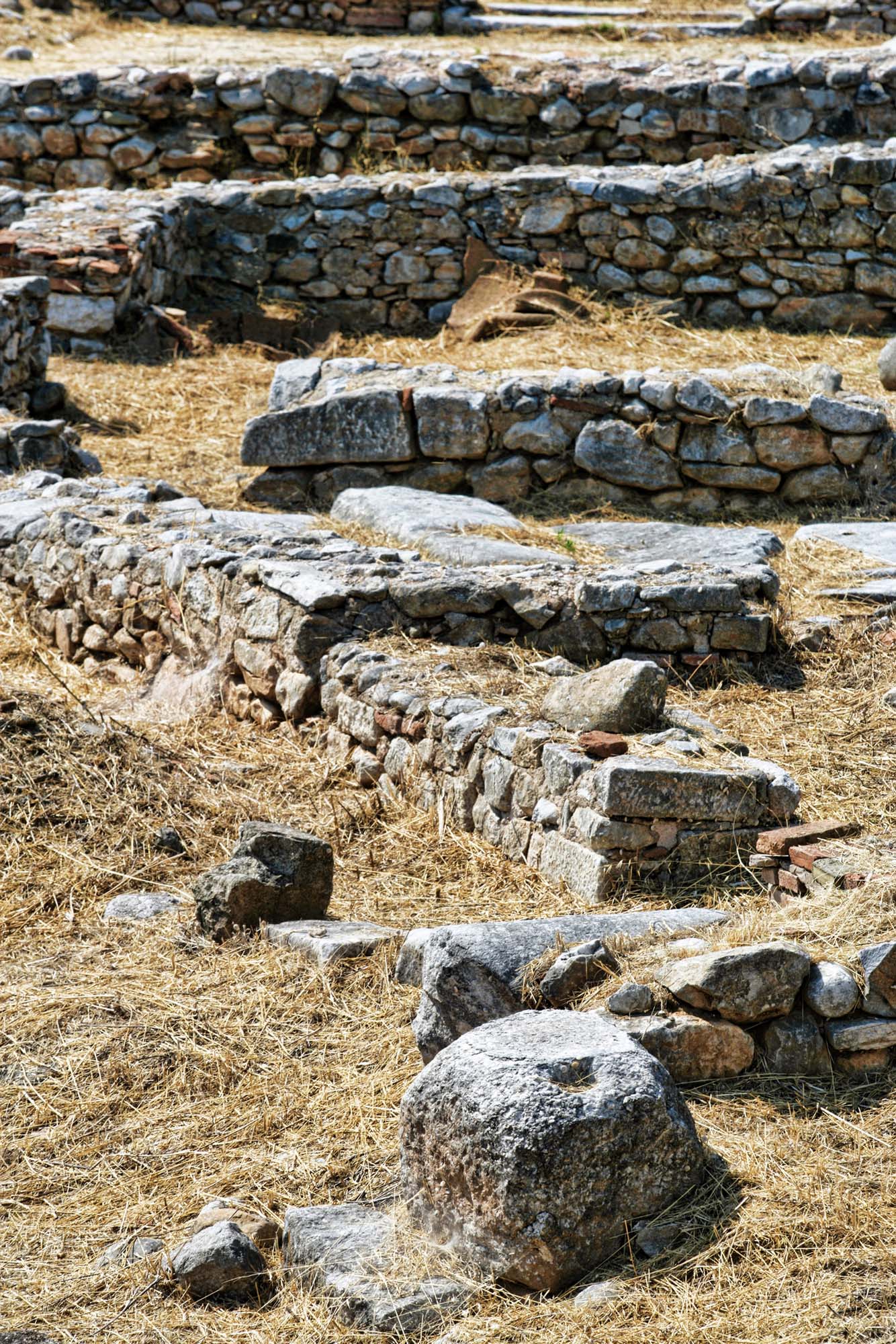
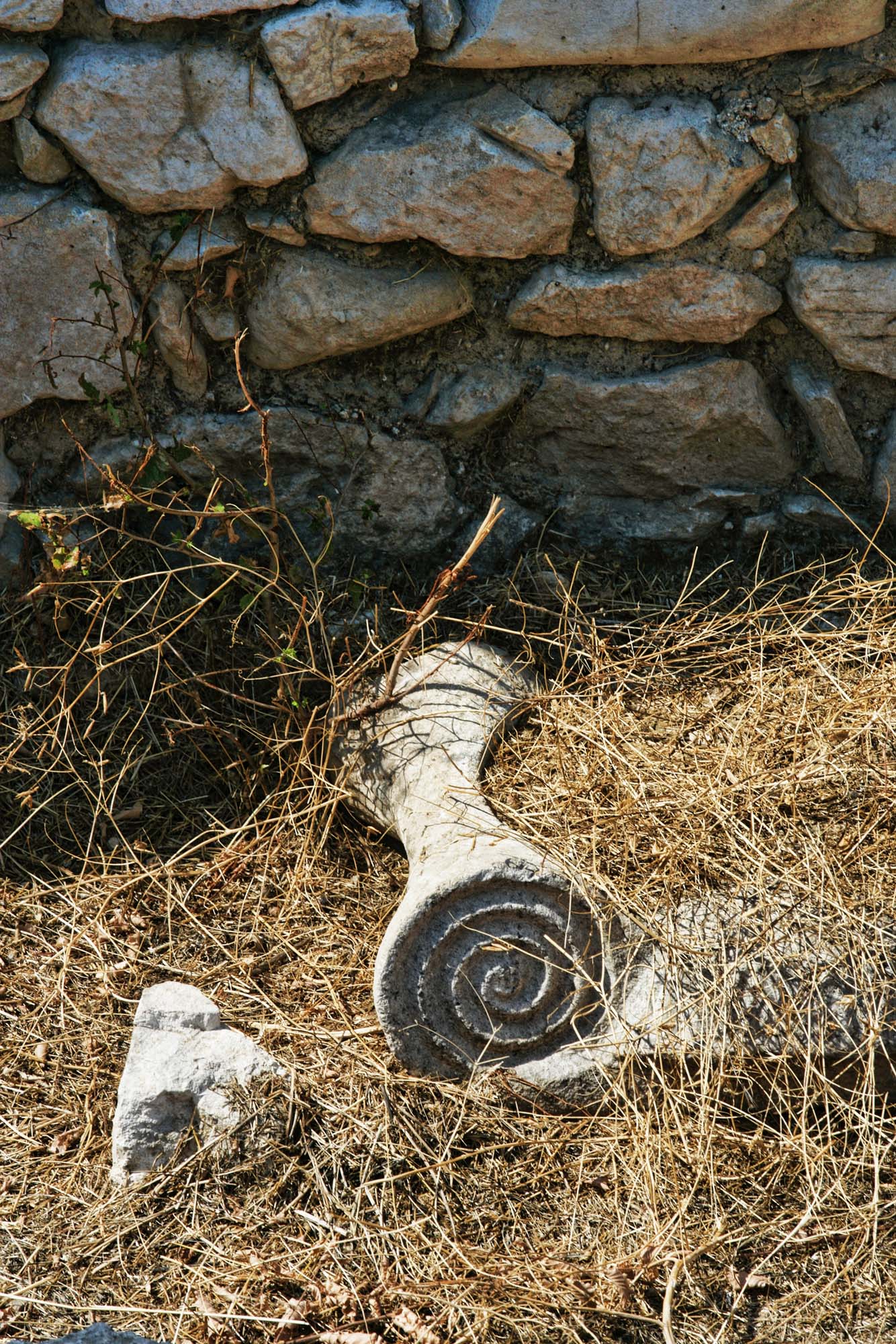
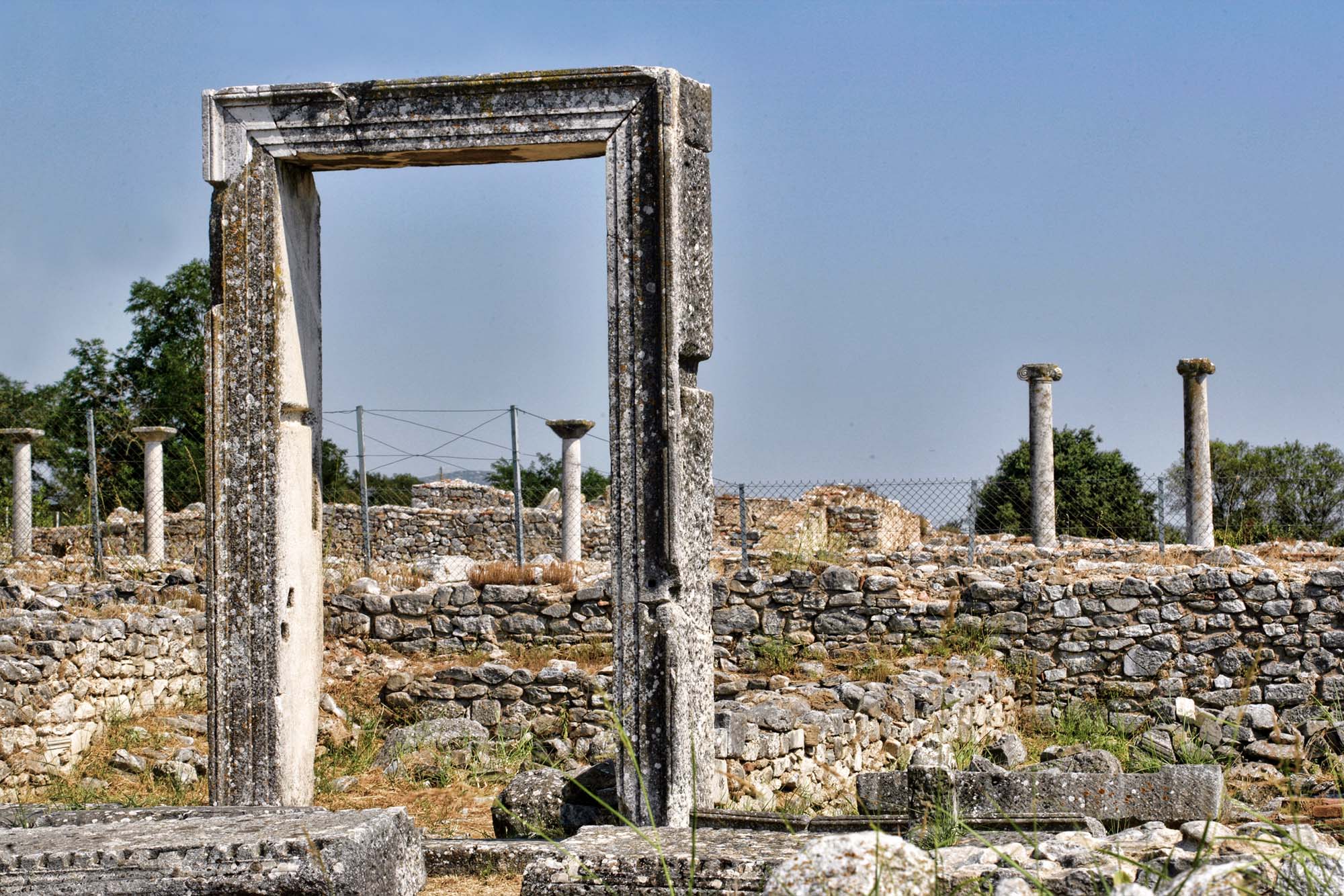
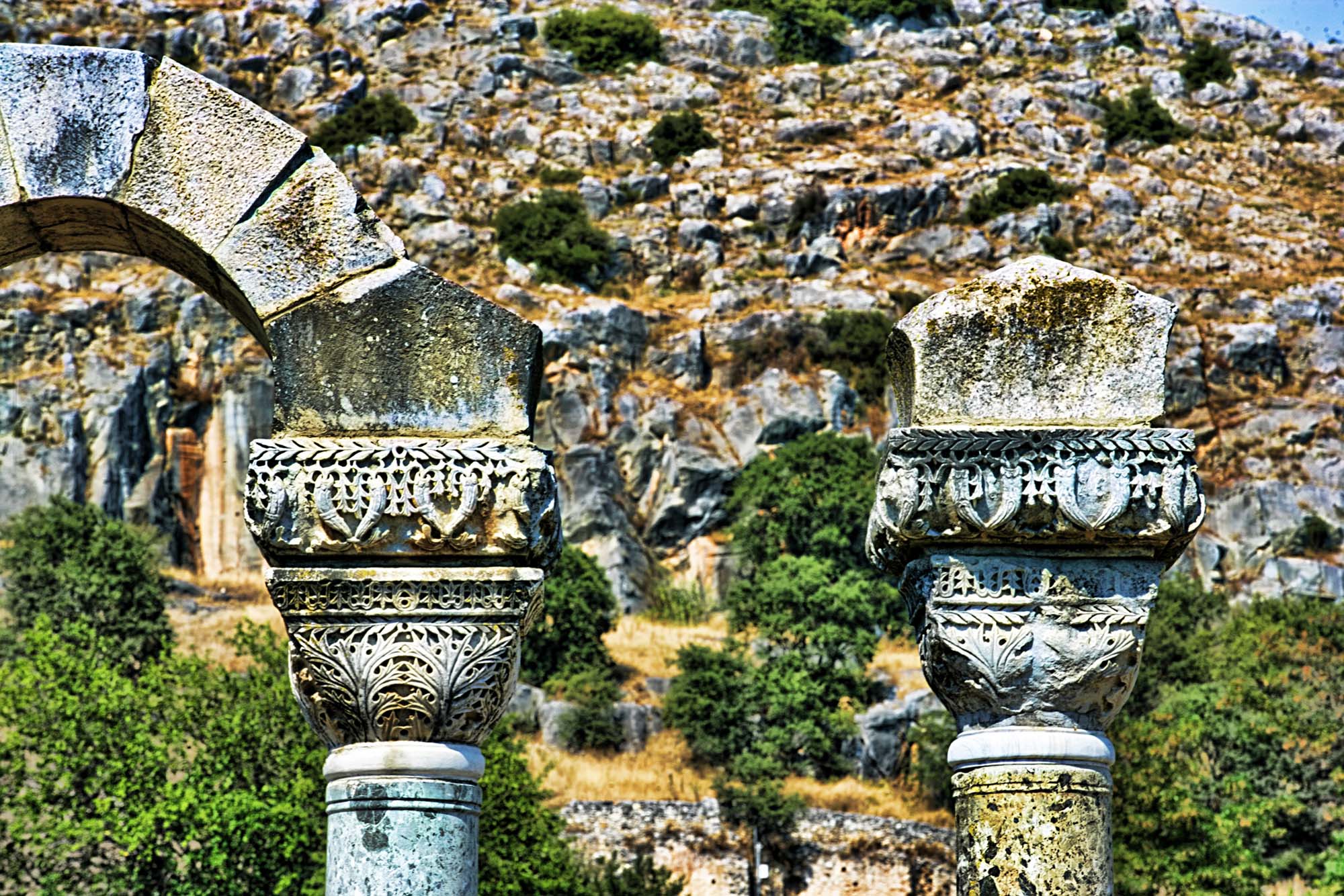
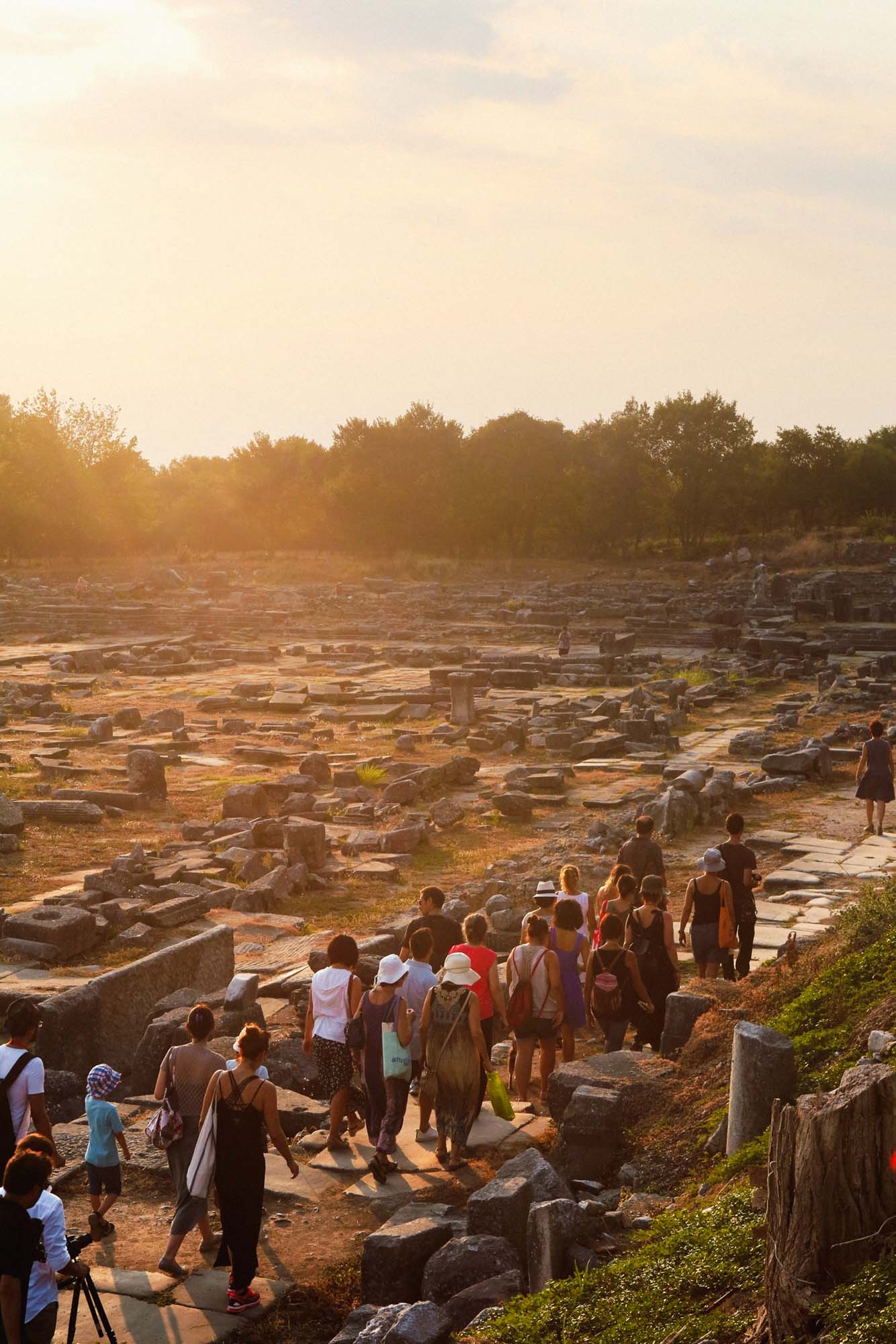
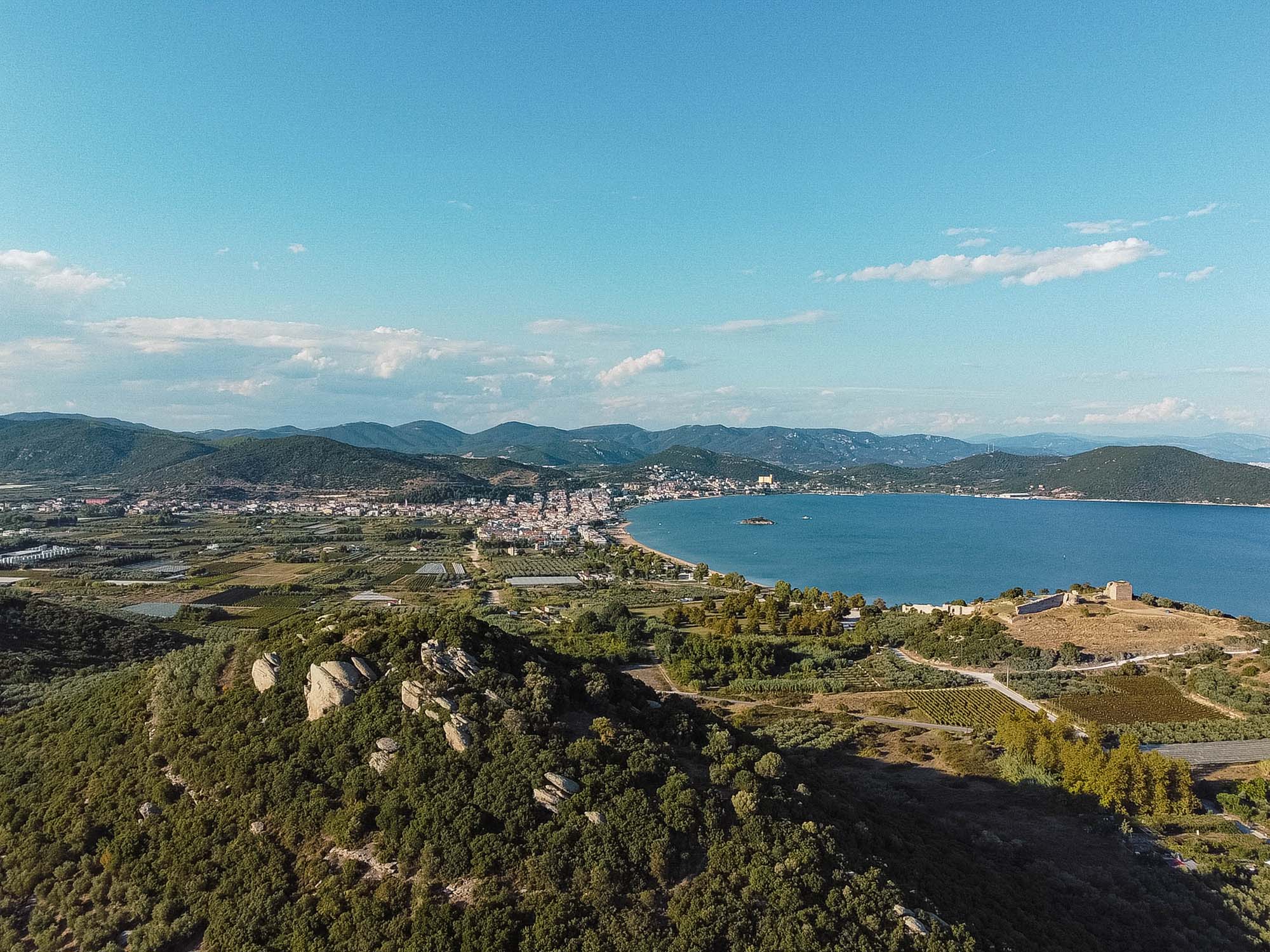
Located 15 km from Kavala in the area of Krinides, the archaeological site of Philippi is one of the most important historical landmarks in the region. Founded by Philip II, the father of Alexander the Great, the city was named after him. Originally founded by Thasian colonists in 360 BC, the city gained strategic importance when the Thasians sought Philip II's help in 356 BC against the local Thracian tribes. Recognising the city's advantageous position, Philip II took control of it and gave it his name. The site includes the ancient theatre of Philippi (where the famous Philippi Festival is held every summer), the forum, the commercial market, the palace, private residential islands and early Christian temples. The passage of the Via Egnatia in the 1st century BC increased the city's importance as an important regional centre. In 42 BC, the Battle of Philippi, fought on the hills outside the city, marked a turning point in Roman history. The victory of Octavian and Antonius over Caesar's assassins led to the establishment of Philippi as a Roman colony (Colonia Augusta Julia Philippensis), which flourished during the 2nd century AD. In 49/50 AD the Apostle Paul visited Philippi and founded the first Christian community in Europe. The city began to decline in the 7th century due to earthquakes and Slavic invasions, but retained its importance during the Byzantine period as a fortified stronghold along the east-west route. Philippi was completely abandoned after the Turkish conquest in the late 14th century.

- Home - Destinations - R.U. of Kavala - Archaeological Site of Philippi
- Home - Thematic Tourism - Cultural tourism - Archaeological Site of Philippi
Print