



Ancient Via Egnatia
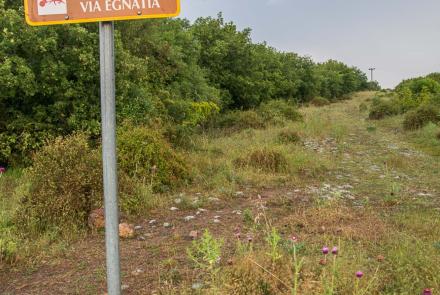
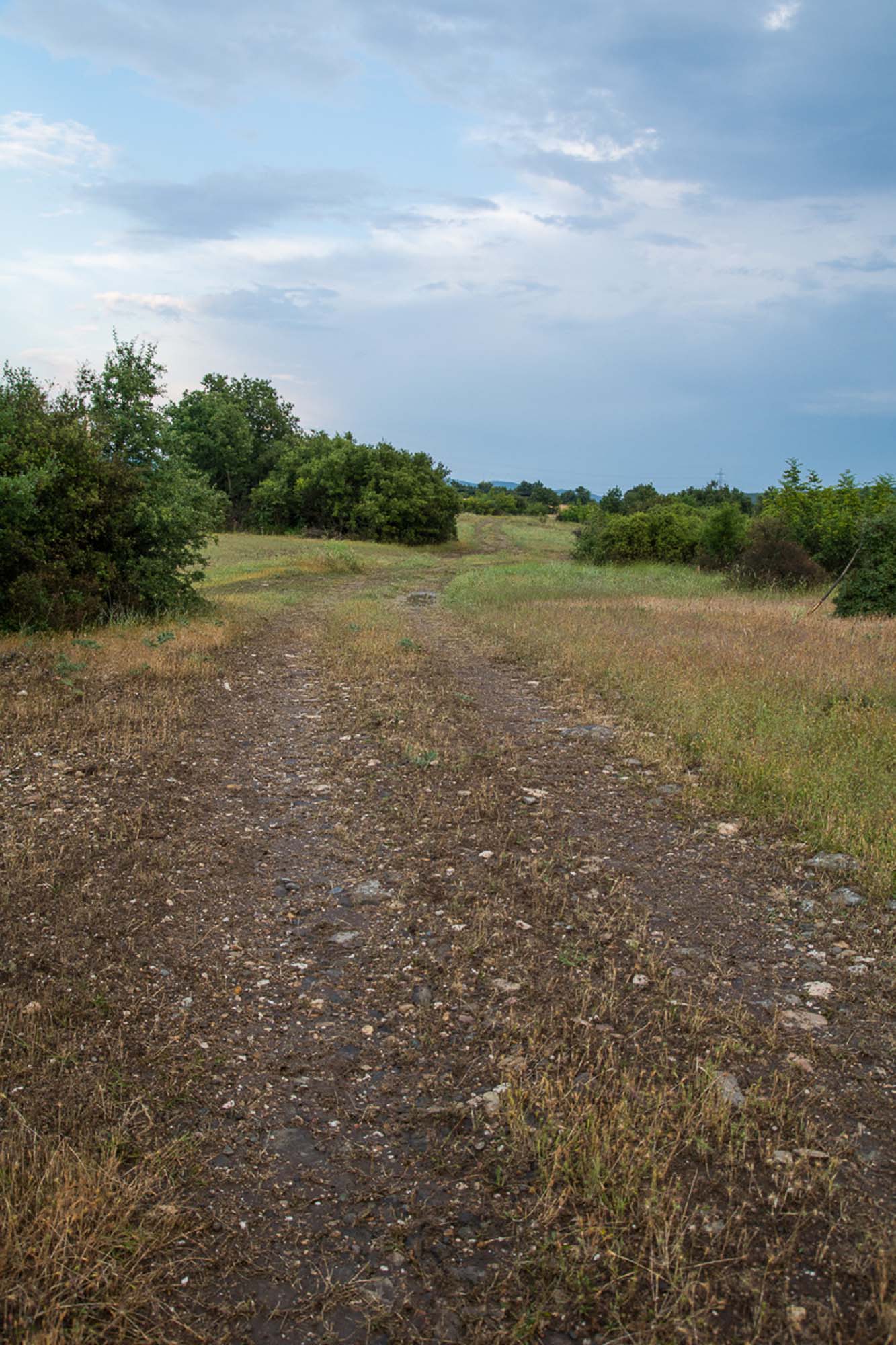
One of the greatest infrastructure projects of antiquity, the ancient Via Egnatia is a testament to the rich history and culture of Eastern Macedonia and Thrace. Built between 146 and 120 BC by the Roman governor Gnaeus Egnatius, this monumental road stretched from the Adriatic to the Black Sea and served as a vital artery for the Roman Empire. It facilitated communication, trade and troop movements throughout the region. In Kavala, the road began in Neapolis (the ancient name of Kavala) and connected it to the city of Philippi. Much of the original cobbled road has been preserved and offers a glimpse of its historical significance. Today, the ancient Via Egnatia is divided into two sections, mainly due to the construction of modern road networks. The first section is located at the hill of Saint Silas, where, according to tradition, Apostle Paul rested. This section, approximately 400 meters long, descends toward the settlement of Stavros and offers views of the fertile plain of Philippi. The second section, which is more well-known and accessible, is 100 meters long and begins at the junction of Egnatia and Macedonia streets, below the 'Egnatia' hotel, ending at Iokastis Street. Visitors can easily walk along the well-preserved stone pavement and enjoy beautiful views of the city of Kavala and its castle.