



Ancient Theatre
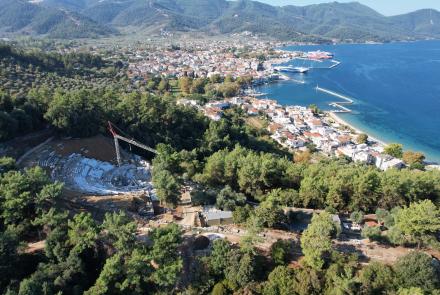
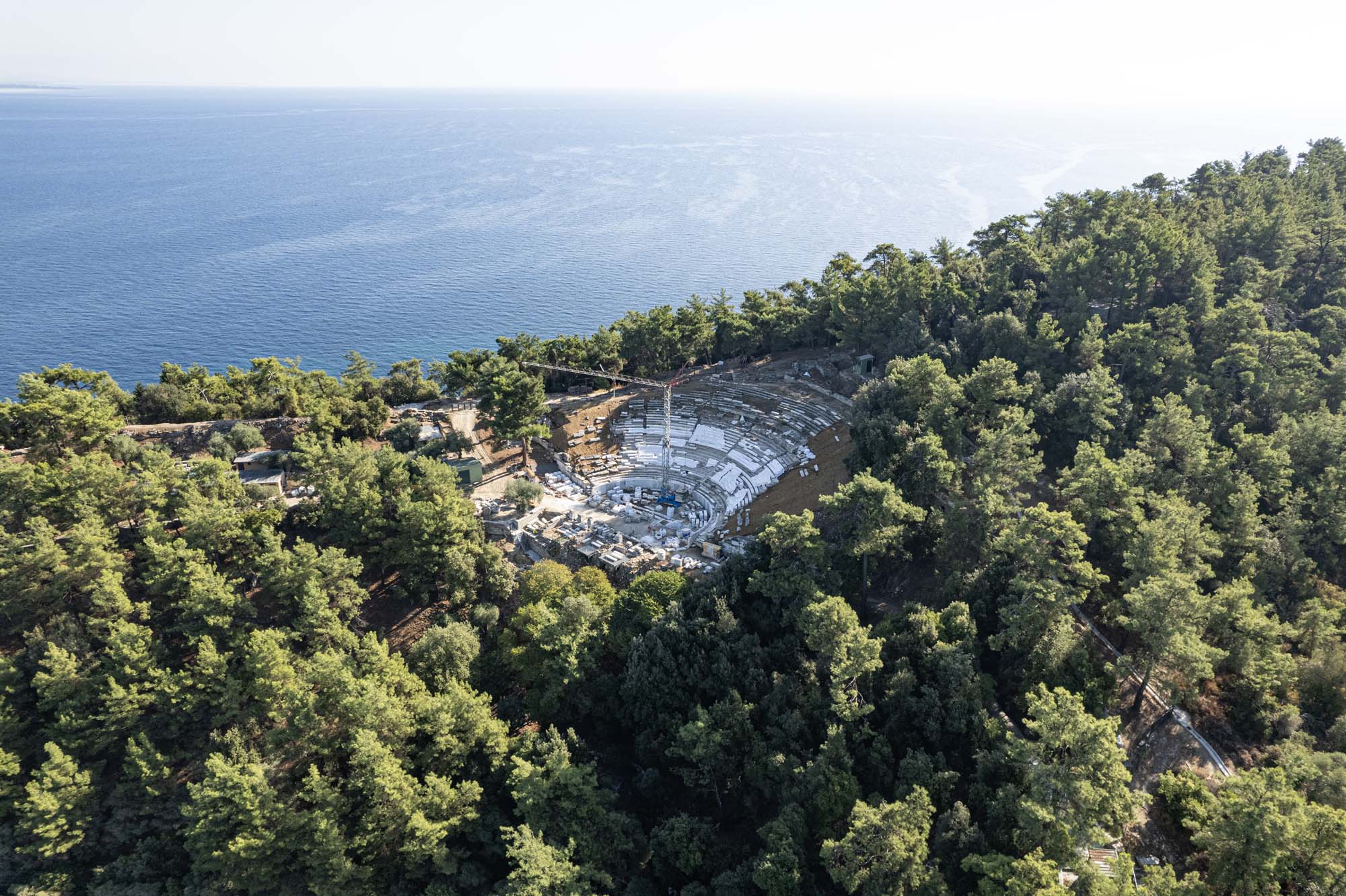
The ancient theatre of Thassos, a magnificent relic of history, is nestled in a natural hollow on the acropolis hill at the eastern end of the ancient city, with its opening facing west. To the east, a steep slope rises, while to the north and west, where modern Limenas now stands, visitors are treated to breathtaking views of the sea, harbour, and the remnants of the ancient city. For those passionate about history and archaeology, this theatre is a must-visit. It is one of the oldest theatres in Greece, first mentioned by Hippocrates during his visit to Thassos at the close of the 5th century BC. The earliest construction of the theatre dates back to the early Hellenistic period, specifically between the late 4th and the first quarter of the 3rd century BC. By the early 3rd century BC, a stage adorned with a marble façade was erected, with the area dedicated to Dionysus. Interestingly, during the 1st century AD, the theatre was repurposed for duels; the orchestra transformed into an arena, complete with heavy doors to seal off the lanes. By the late 2nd century AD, bars were added to separate the spectators, and extensive modifications were made to the stage structure. The first excavation of this historic site was carried out by the École française d'Athènes in 1921, uncovering the hollow, orchestra, passageways, and sections of the stage. Until its closure for restoration in 2013, the theatre featured wooden seats that were supported by metal platforms installed in the 1990s. As a priceless cultural heritage site for Thassos, the theatre has gone through various phases of maintenance, with the final restoration commencing in November 2018.