



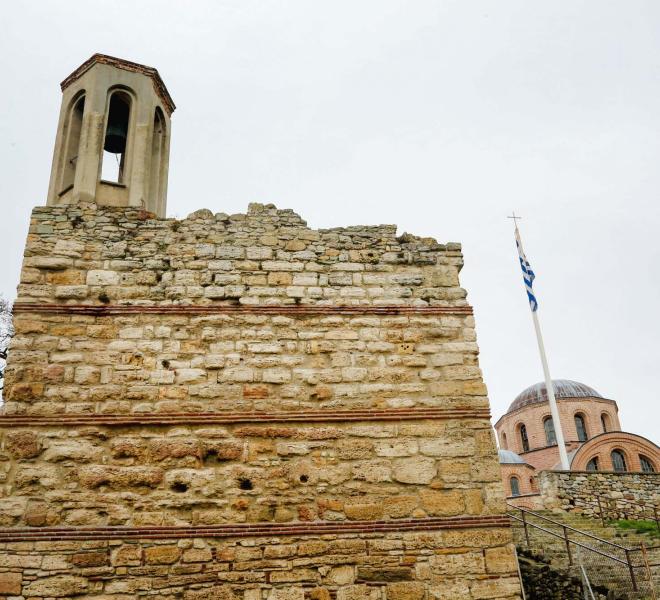
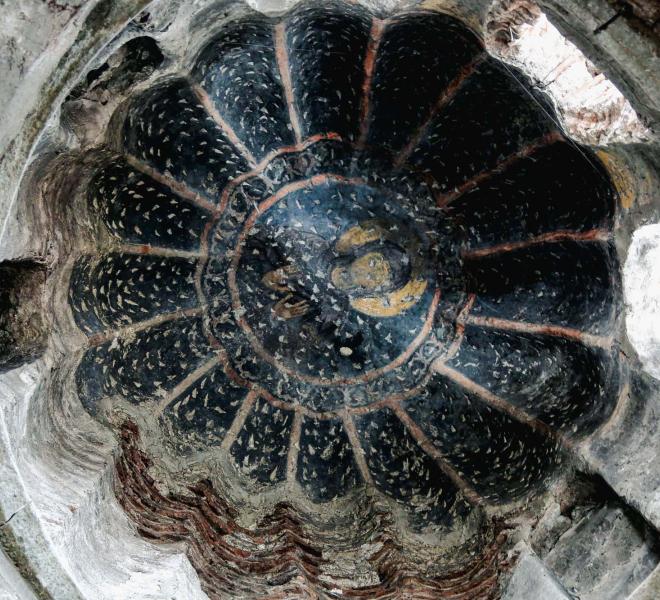
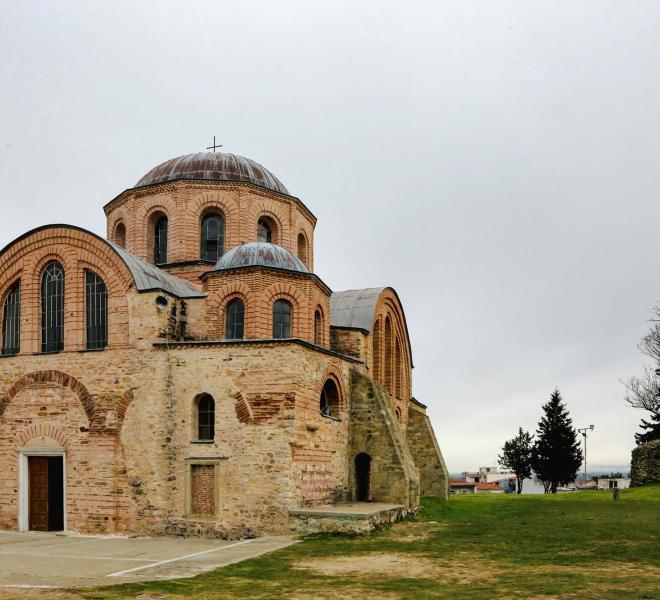
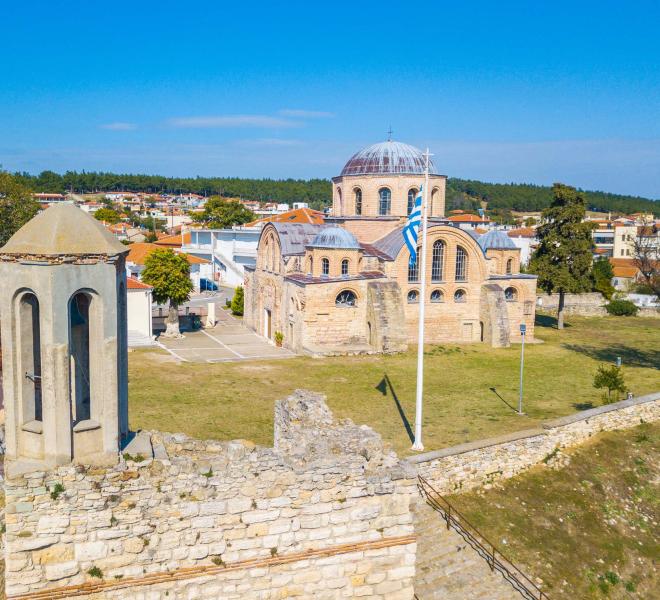
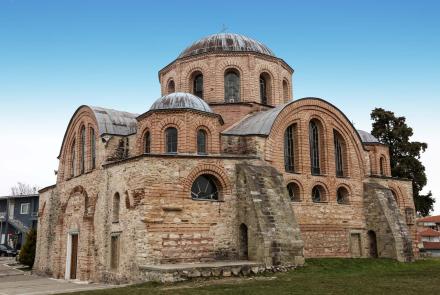
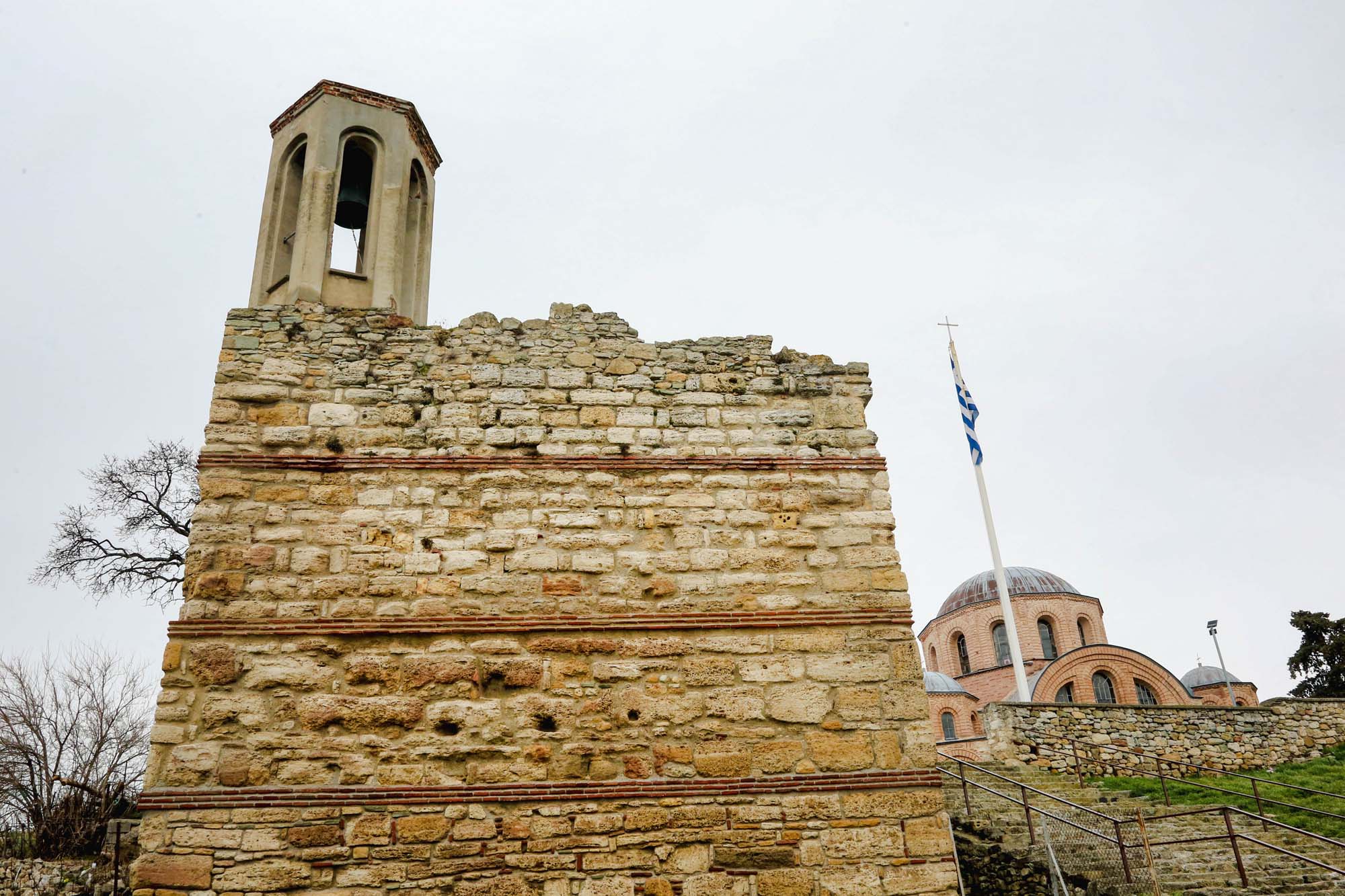
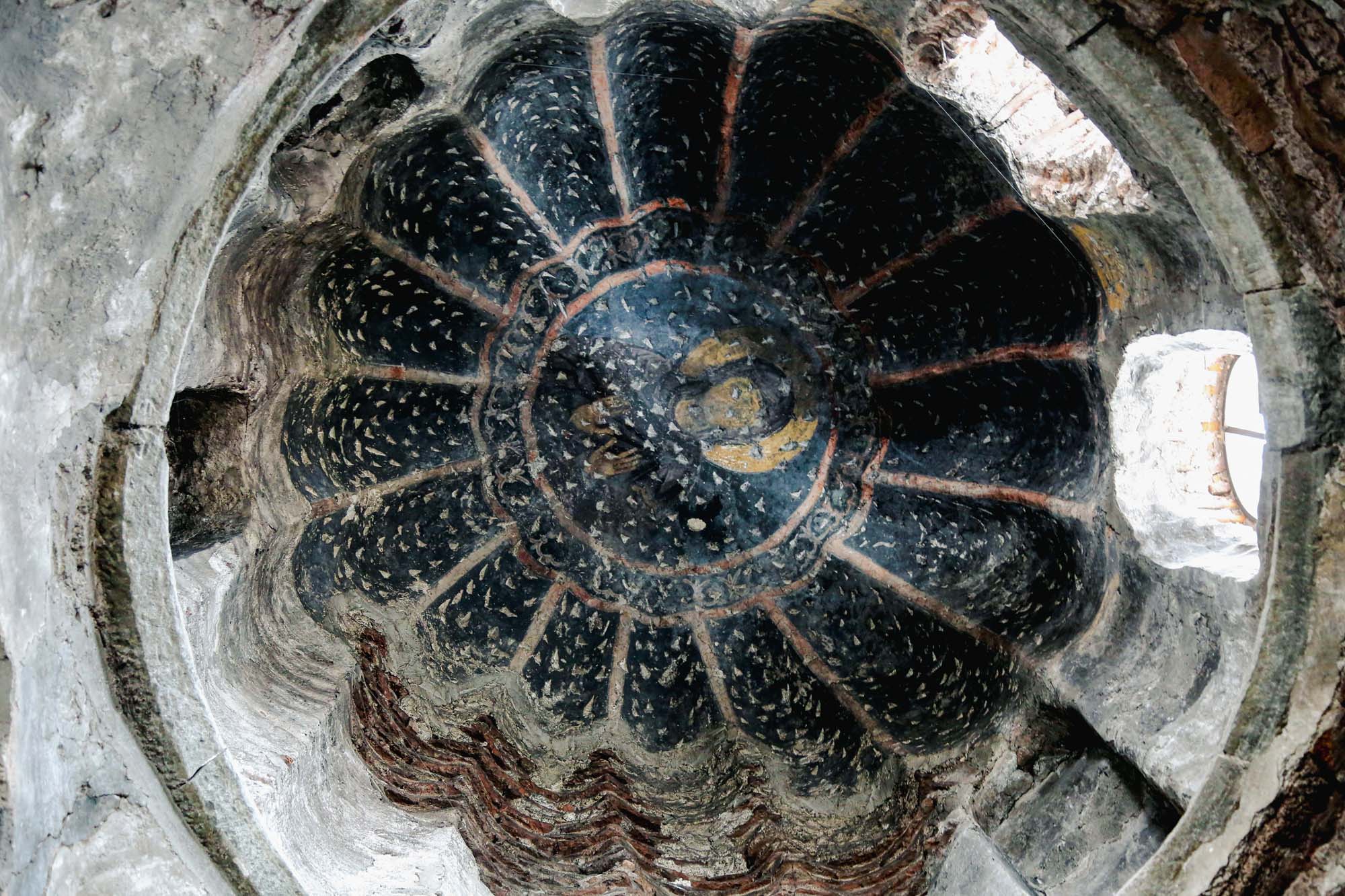
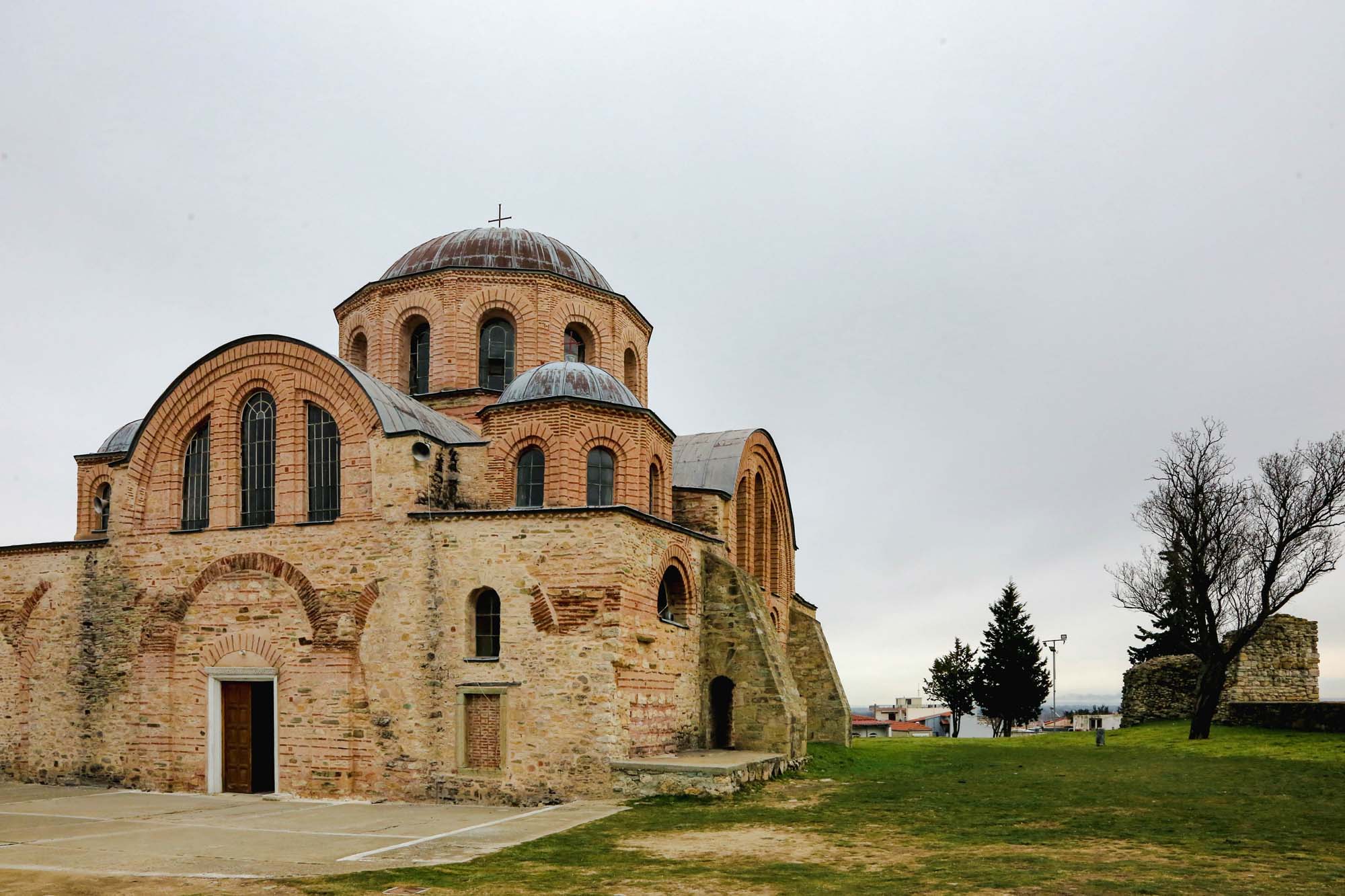
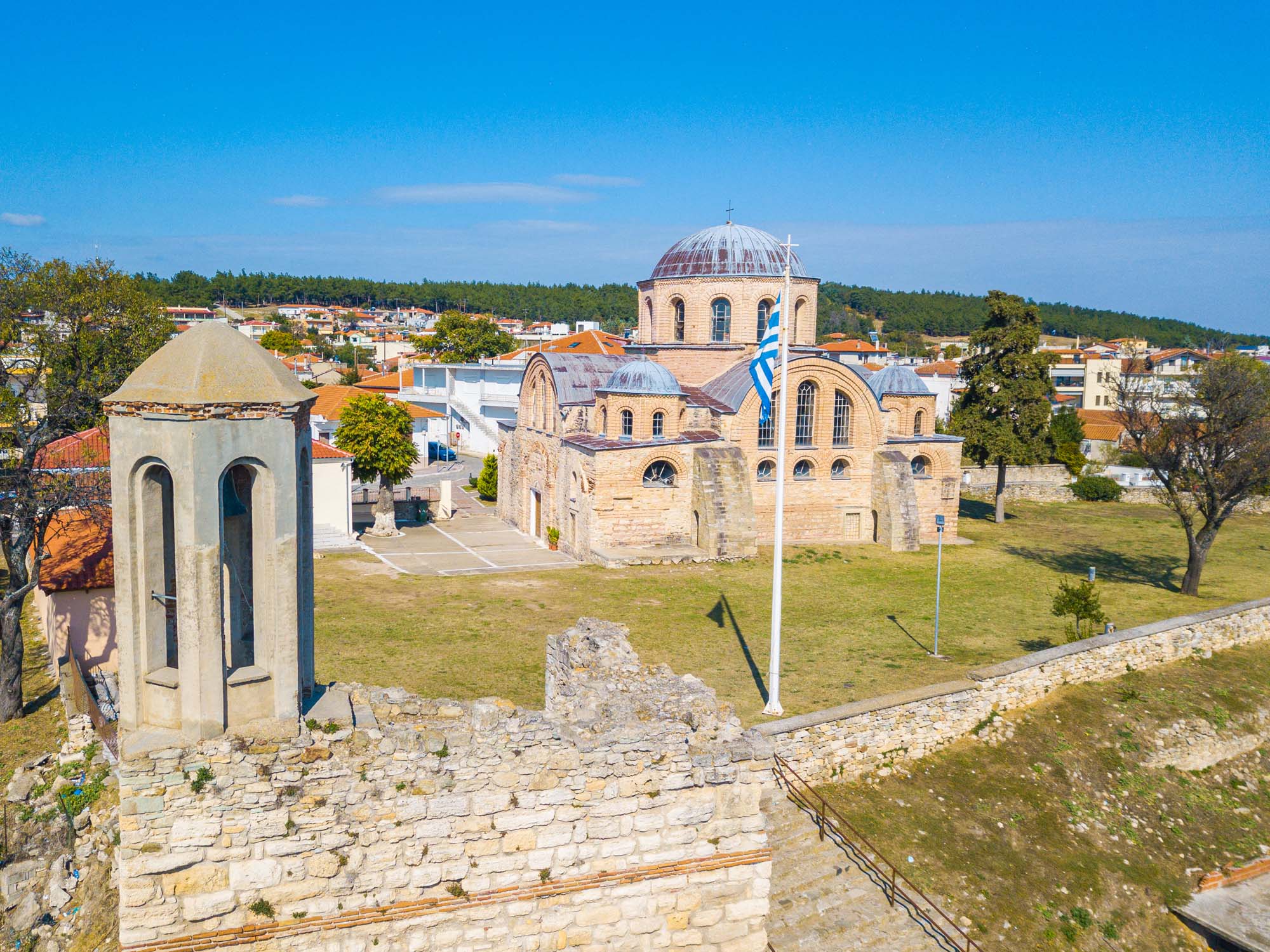
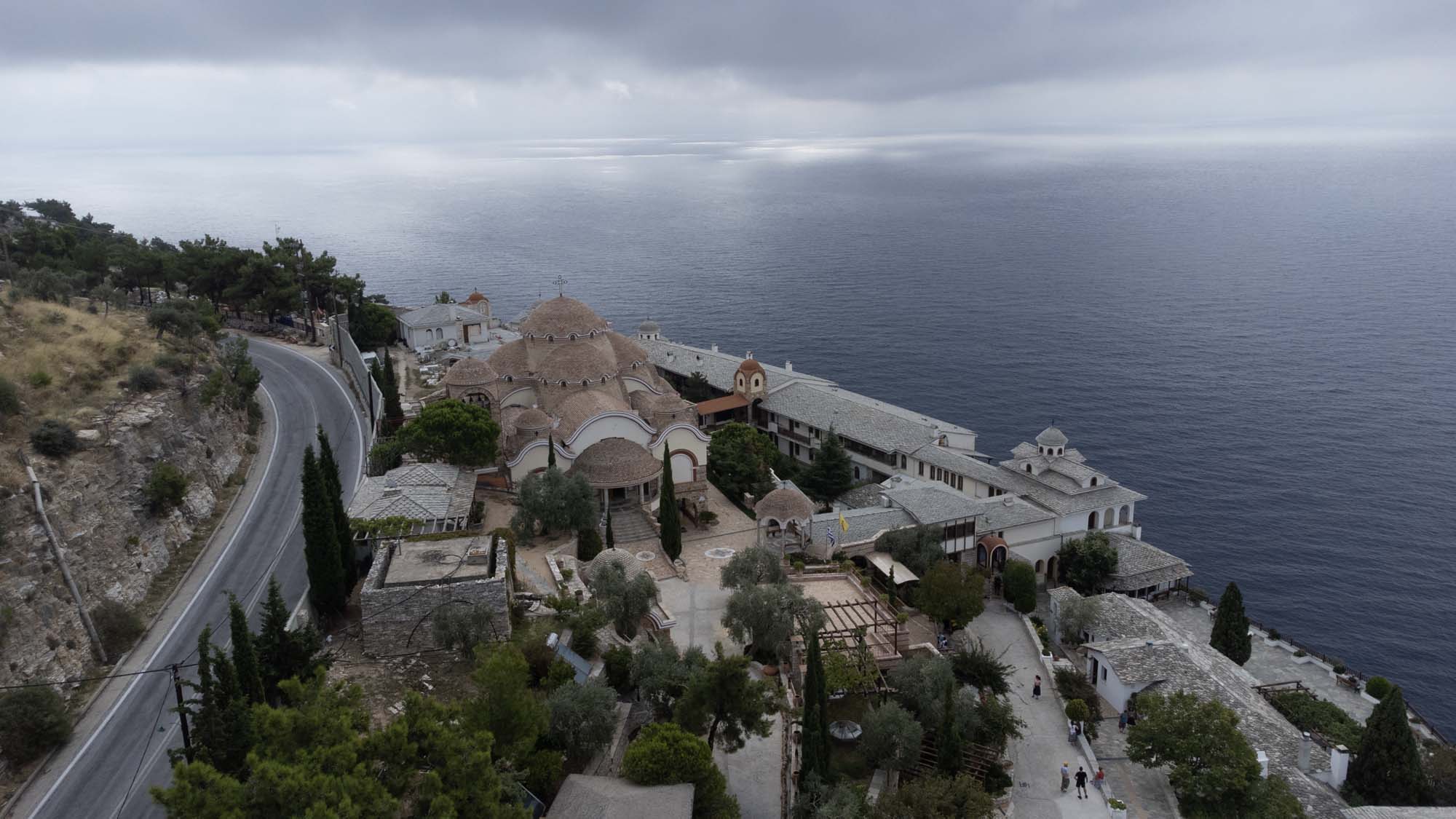
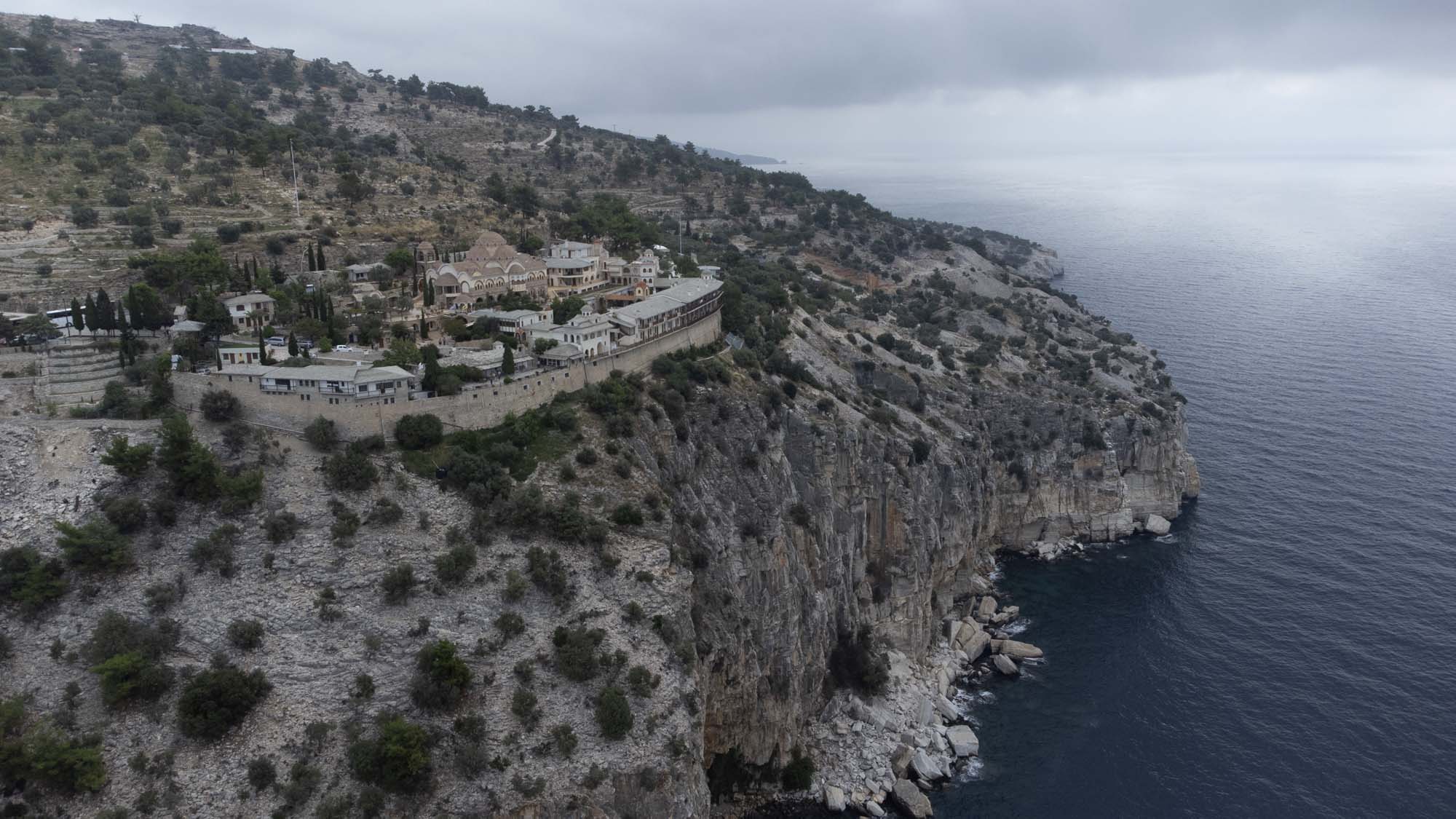
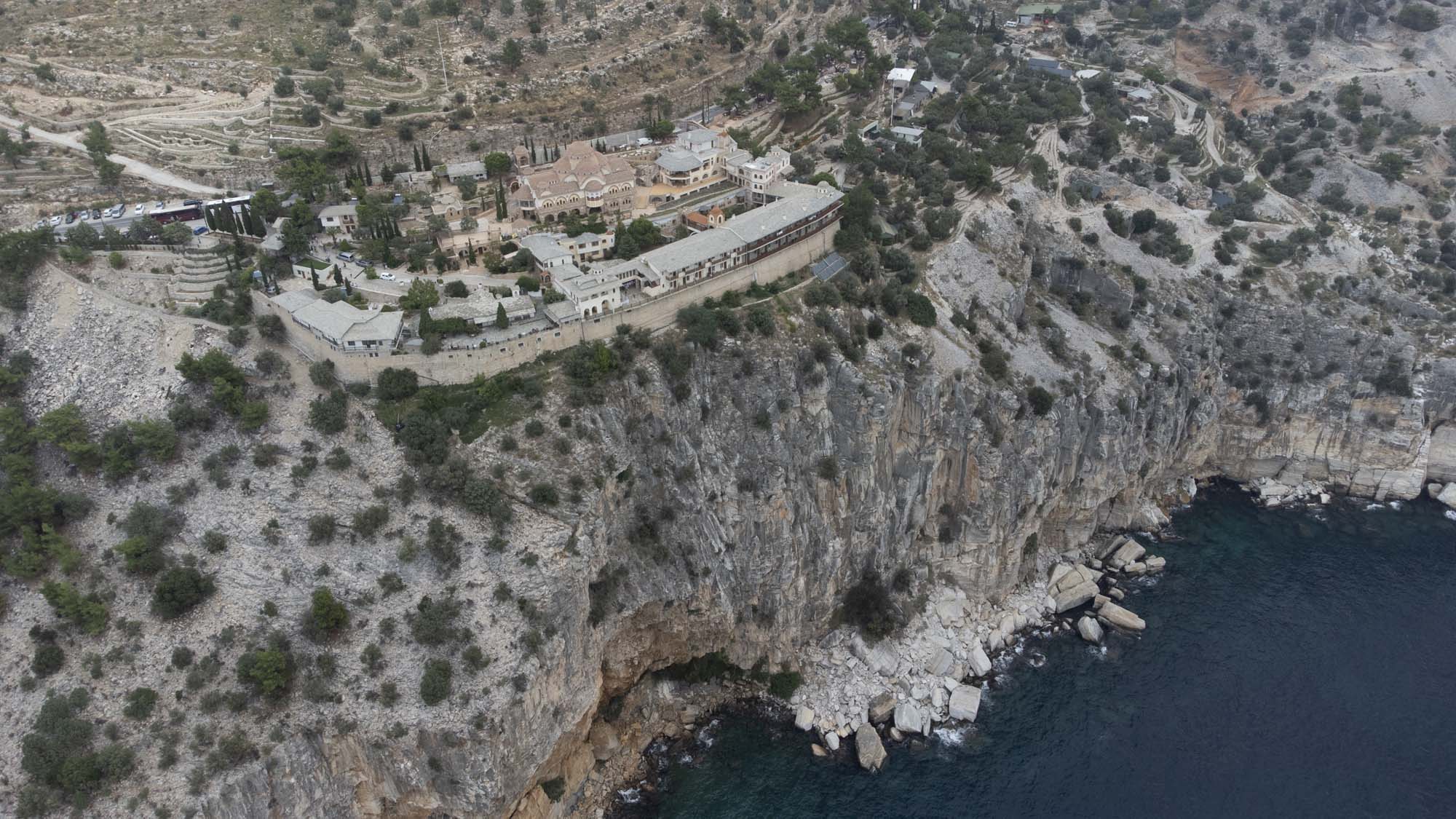
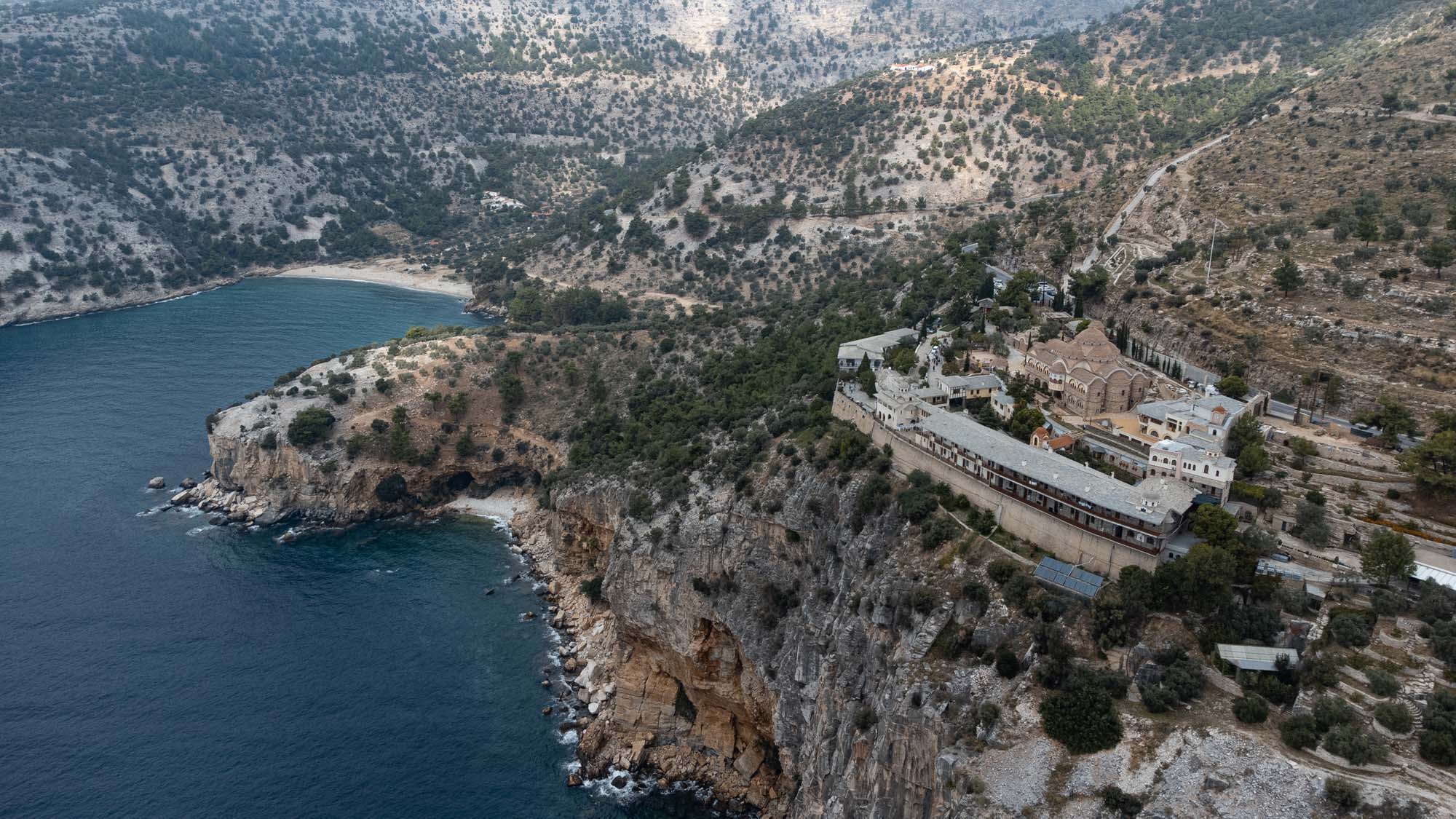
The monastery complex features a fortified enclosure complete with walls, towers, and a gate, alongside the katholikon—a cruciform, inscribed biconical church crowned with a five-meter-high roof. The iconographic decoration showcases the high artistic standards of the 12th-century Constantinople School, highlighted by a ceramic ornament depicting an eagle at the south-eastern corner of the temple. The narthex has been demolished at an unspecified time, while the central arch and the prosthesis have undergone subsequent repairs. The four external buttresses are later additions as well.
Founded in 1152 AD by Monsignor Isaac Komnenos, the third son of Alexios I Komnenos, Isaac also composed the monastery's typikon and was later buried there. Two centuries later, the church was transformed into a mosque by Suleiman, and it reverted back to a Christian church five and a half centuries later. Today, the katholikon of the monastery remains active.
Restoration efforts have successfully preserved the northern, eastern, and southern facades of the katholikon. The dome drum has been reinforced with a metal crown, the southern pair of columns secured with steel plates, and all columns fitted with steel crowns. Repairs to the lead roofing have been completed as well, along with invar-system monitoring to track minor structural movements and maintain the fortification walls.

- Home - Destinations - R.U. of Evros - Panagia Kosmosotira, 12th century Byzantine church in Feres
- Home - Thematic Tourism - Religious tourism - Panagia Kosmosotira, 12th century Byzantine church in Feres
Print