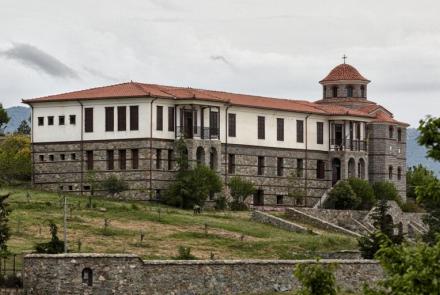




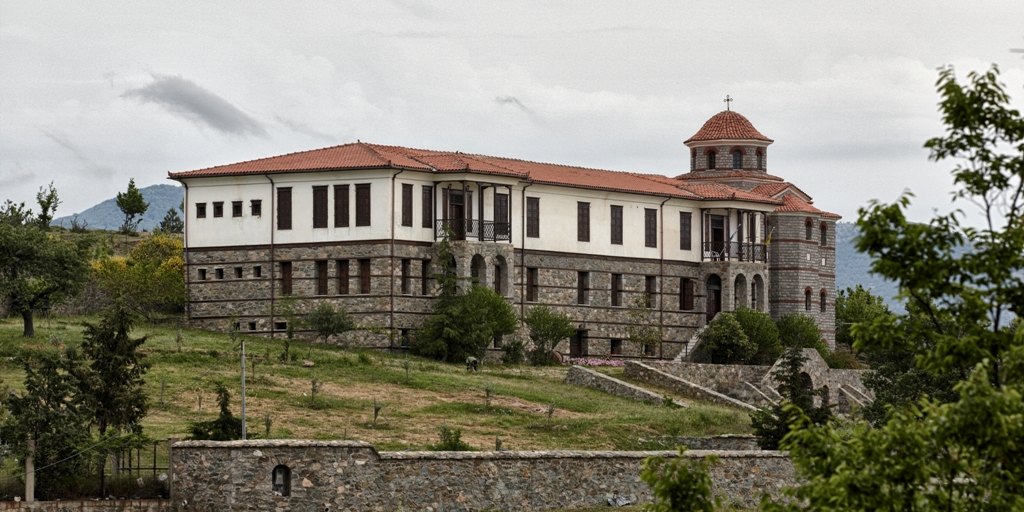
Monastery of Saint Maximos - Mount Papikion
Mount Papikion, one of the most ecologically significant areas in the region, is home to diverse wildlife, including vultures, eagles, black storks (Ciconia nigra), and wolves (Canis lupus). Above 900 meters, the mountain is covered with beech forests. The surrounding areas provide a wide variety of habitats that support abundant fauna and flora.
During the 11th century, Mount Papikion became a flourishing monastic state. It is of great cultural interest (presented in the cultural resources section below). The temples that have been fully excavated and are open to visitors are scattered throughout the mountainous area. Their names are conventionally derived from the nearest settlements, as the names of the saints being honoured are unknown.
- Temple A' of Kerasia
- Temple II of Kerasia
- Sostis Monastery Complex
- Linos Monastery Complex
For access to Mount Papikion, there are forest roads starting from the villages of Polyanthos, Linos, Sostis, Mischos and Thamna. There are no roads that cross Mount Papikion. Visitors are advised to seek a local guide for exploration.