



Vranokastro
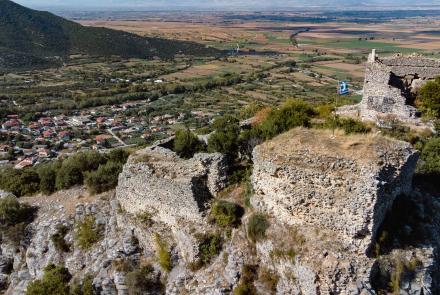
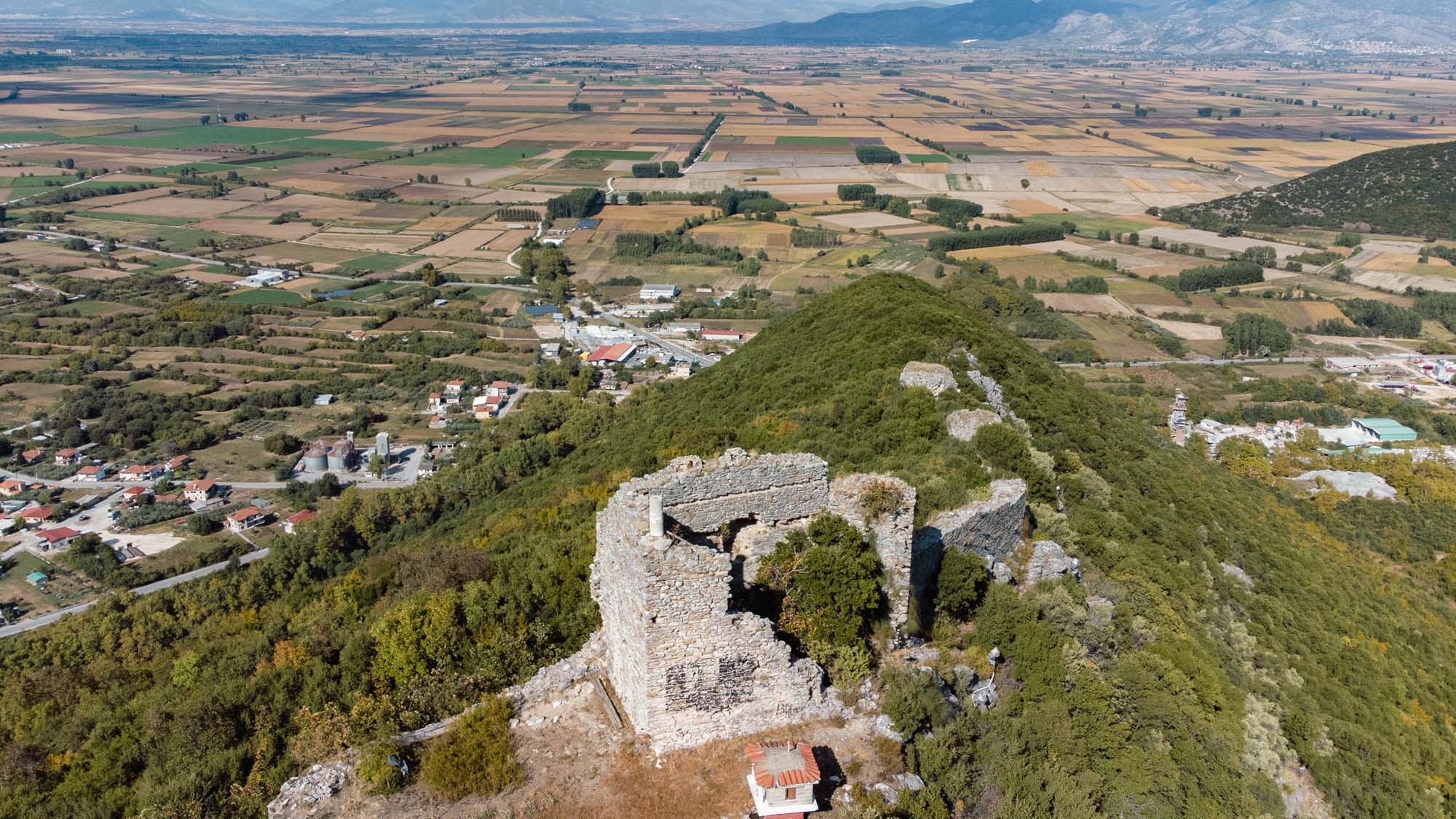
Alexander's Castle or Vranokastro Paleochori To the east of Paleochori, in the municipality of Pangaio of the Prefecture of Kavala, on one of the promontories of the legendary Pangaio mountain, there are the ruins of a castle that is directly linked to the history and tradition of the region. It is the Castle of Paleochori, known for centuries as 'Alexander's Castle' or 'Vranokastro'. The castle was originally built to protect the gold mines in the area, which contributed to Alexander the Great's campaign. When the precious metal deposits were exhausted, the castle was abandoned. Tradition has preserved the name 'Alexander's Castle', which at the beginning of the 18th century gave this name to Paleochori, which is referred to by travellers as 'Alexander's village'. Roman rule followed and, according to fragmentary information, the castle was occasionally used as an outpost. During the Byzantine period, Slavic raids in the Balkans made it necessary to reopen some of the forts in the area. Thus, in 1185 AD, the Byzantine general Alexios Vranas rebuilt the castle, reinforced its fortifications and manned it. This time his role was to control and supervise the passage that was being created between the Pangaion mountain range and Lake Prasiada, which covered the modern plain of Philippi. It was then that 'Alexander's Castle' was renamed 'Vranokastro'. Today it is a hiking destination with an elegant path.