



Ancient market
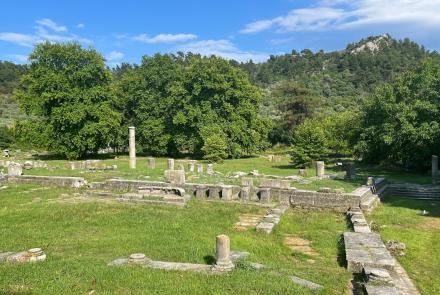
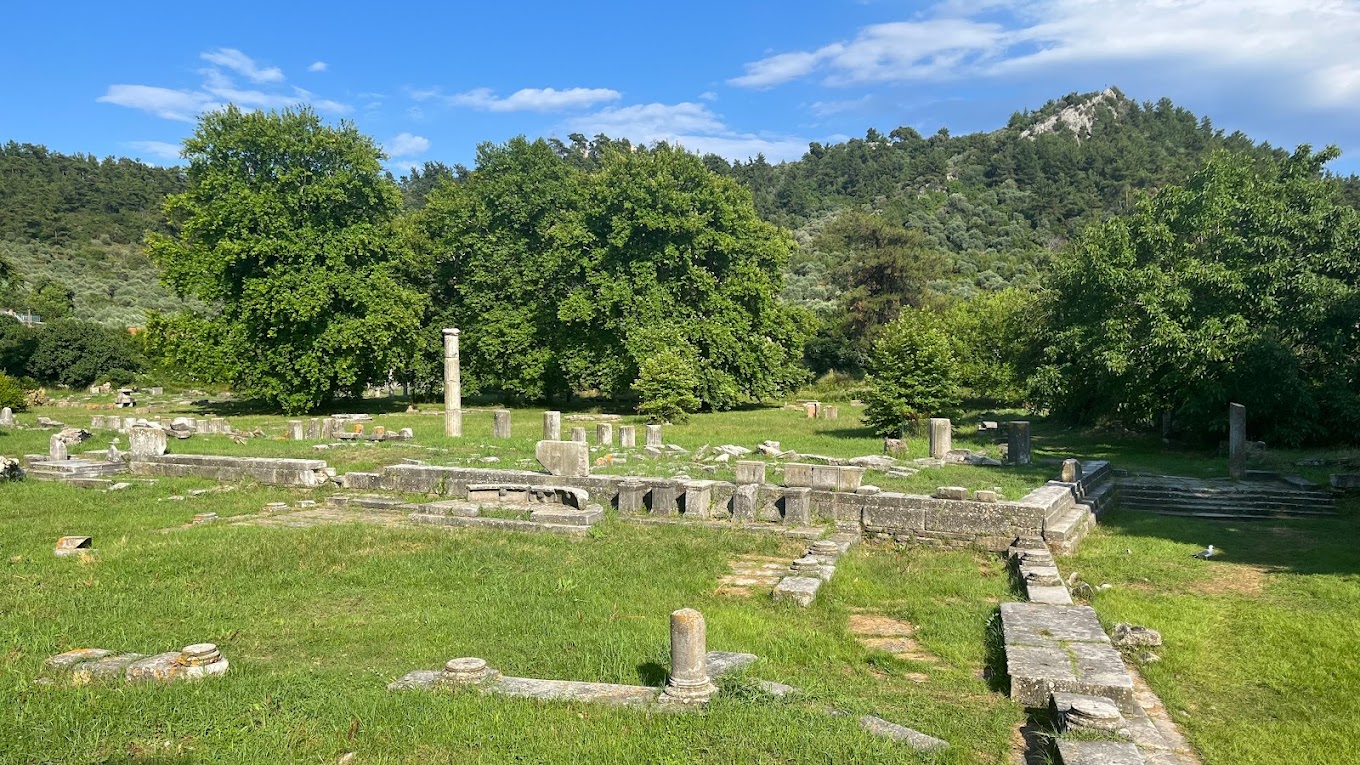
The Ancient Market of Thassos, the island's most important archaeological site, is situated in the capital, Limenas. It once served as the political, administrative, and religious heart of the ancient city and was uncovered by the French Archaeological School during excavations between 1948 and 1955. Construction of the market began in the 6th century BC and progressed quickly until it was looted and destroyed by the Erulians in the 3rd century BC. Its peak came in the 4th century BC when Thassos was a significant player in the ancient world, making its marketplace crucial to daily life. Covering about 8 str., the ancient market had three gates, with the most impressive linking the port to the market. At its centre was a rectangular square that served as the administrative and religious centre of the city, surrounded by four arcades that housed public buildings. The area was filled with notable monuments and statues, while the heart of the market featured small temples, altars, and shrines. Today, visitors can explore the ruins of these arcades and other remnants. Some of the identified buildings at the site include the city's Prytaneum, a unique building known as the 'backstage' due to its shape, the sanctuary of Hercules, the passage of the Theoroi—where reliefs depicting Apollo with the Nymphs and Hermes with the Graces were found—and the sanctuary dedicated to Theagenes, the Thasian Olympic champion and son of Hercules.